One of the great pleasures of traveling around Europe by train is that the journey itself can become part of the experience. Instead of spending hours getting to and from airports, travelers can often leave from a city center and arrive directly in another.
For first-time visitors, however, planning a rail trip can feel more complicated than expected. Different countries have different railway operators, stations, ticket rules, and types of service. A little preparation can make the entire experience much easier.
Start With the Cities, Not the Tickets
Before looking at individual trains, decide which cities you actually want to visit.
This sounds obvious, but it can prevent a common mistake: building an itinerary around cheap tickets instead of around the trip itself.
For example, someone visiting Italy might choose Rome, Florence, Bologna, Milan, and Venice. Once the route is clear, it becomes much easier to look at each individual train journey.
For travelers who are unfamiliar with the European rail network, a good European train travel guide can also help explain how different routes, stations, and operators fit together.
The key is to think of the railway as part of the itinerary rather than as a separate booking task.
Check the Station Carefully
One of the easiest mistakes for international travelers is assuming that every city has one obvious train station.
Major European cities can have several stations, and the station used for one route may not be the one you expected.
In Rome, for example, Roma Termini is the city's main railway station and an important starting point for travelers heading to other Italian cities. Milan's Milano Centrale is another major station that appears frequently in international itineraries.
Before booking, check:
The exact departure station
The arrival station
How far the station is from your hotel
How you will reach the station
Whether you need to change trains
These details may seem minor when booking a ticket, but they can make a major difference on the day of travel.
Understand the Difference Between Train Types
European rail networks generally include several kinds of services.
High-speed trains connect major cities and are usually the most attractive option for longer journeys. Regional trains are more useful for shorter distances and smaller towns. Intercity services sit somewhere between the two.
The fastest option is not automatically the best option for every traveler.
A regional train may be perfectly suitable for a short journey, while a high-speed service can make much more sense when traveling between major cities such as Rome and Florence.
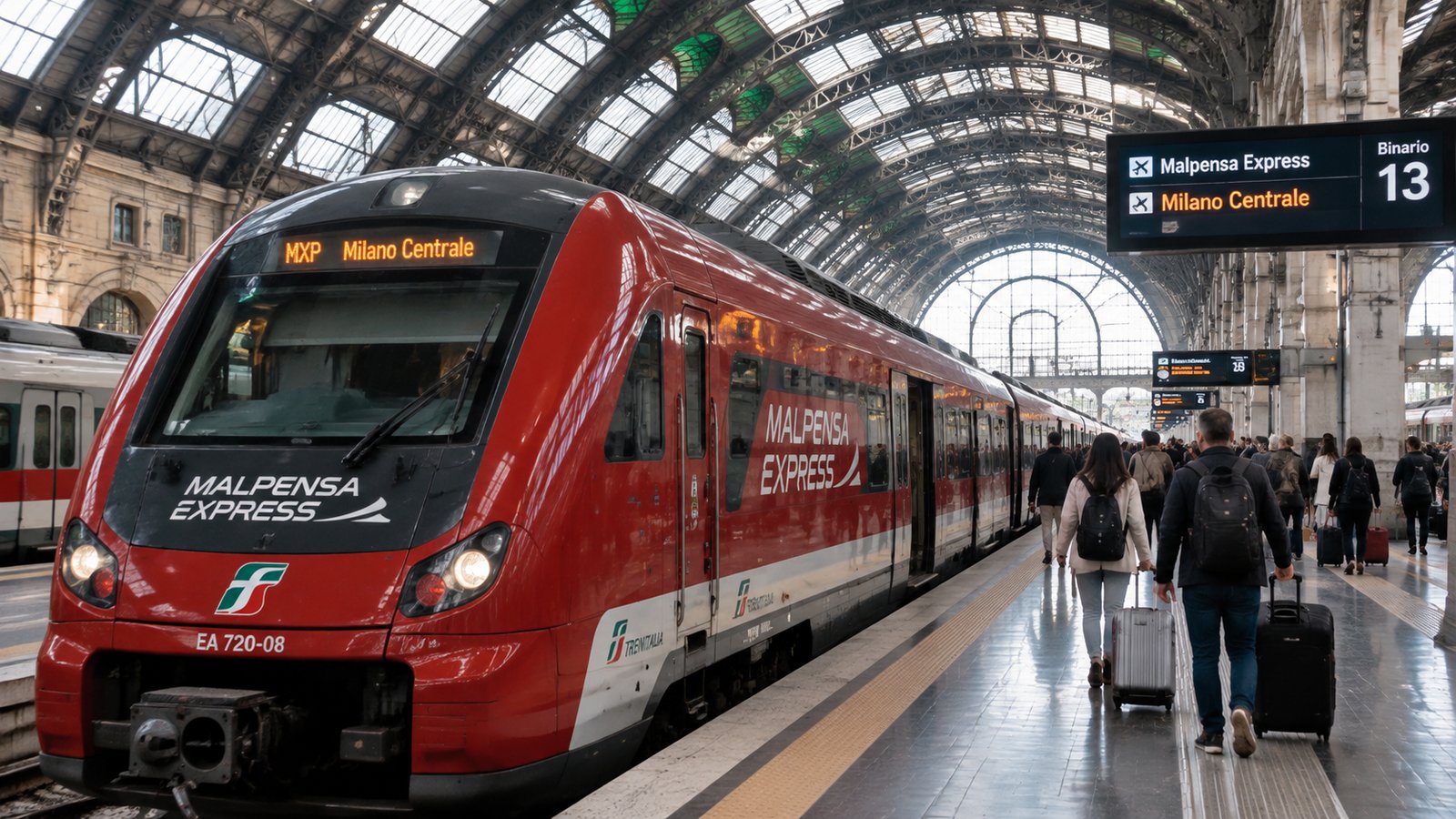
The important thing is to compare the total journey rather than simply looking at the word "high-speed" or the cheapest fare.
Look Beyond the Ticket Price
Price is naturally one of the first things travelers consider, but it should not be the only factor.
Suppose one train costs slightly less but leaves very early in the morning. Another costs a little more but departs later and arrives at a more convenient station.
For many travelers, the second option may actually be the better deal.
When comparing trains, consider:
Departure and arrival times
Journey duration
Direct versus connecting services
Departure station
Ticket flexibility
Seat class
Luggage requirements
This is particularly important for a multi-city trip, where a delay or inconvenient connection can affect the rest of the itinerary.
Leave Some Flexibility in Your Schedule
One advantage of traveling by train is that it can make a multi-city itinerary relatively straightforward. But that does not mean every hour of the trip needs to be scheduled.
Leaving some free time between major activities can make the journey more enjoyable.
For example, if you arrive in Florence in the afternoon, there is little reason to schedule another long-distance train that same evening unless your itinerary requires it. Giving yourself time to check into the hotel, explore the neighborhood, and have dinner can make the trip feel much less rushed.
This is especially useful for first-time visitors who are still learning how European stations and local transportation systems work.
Think About the Journey as a Whole
A train ticket is only one part of a travel decision.
A traveler might choose a slightly more expensive train because it leaves from a convenient station, arrives closer to the hotel, or eliminates a connection.
This is why comparing individual tickets without considering the wider itinerary can sometimes be misleading.
The best rail itinerary is usually the one that fits naturally into the rest of the trip.
Digital Tools Can Simplify the Planning Process
Modern travelers already use their phones for maps, hotel reservations, airline tickets, and restaurant recommendations. Train planning is increasingly becoming part of the same digital travel experience.
A dedicated travel tool can be useful simply because it reduces the number of places travelers need to check while preparing for a journey.
For travelers who regularly plan European rail trips, eutrain can be part of that digital planning process, alongside the travel information they use to understand routes, stations, and destinations.
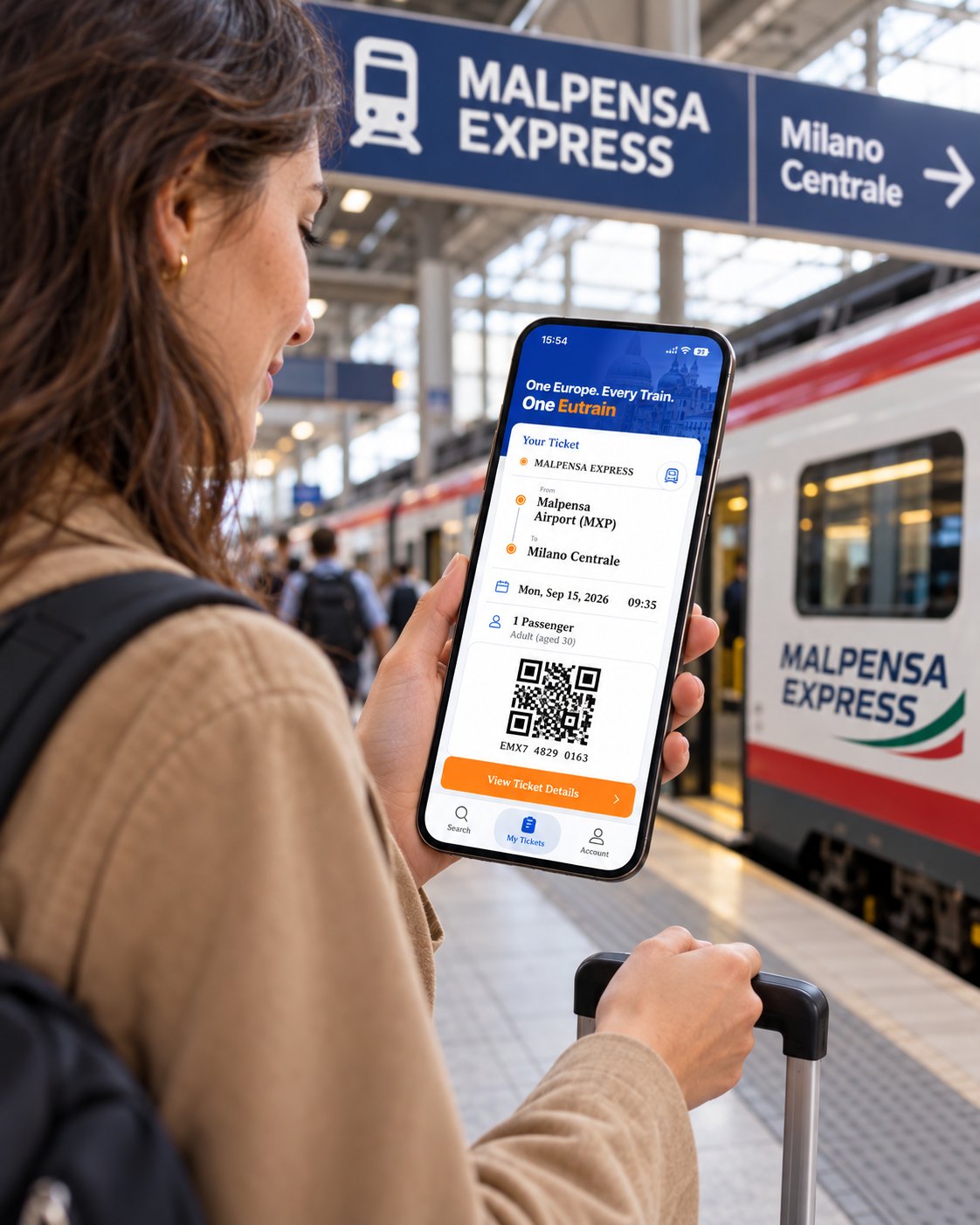
The important thing is not to rely on technology blindly. Travelers should still check the final ticket details, departure station, and travel conditions before leaving.
Enjoy the Journey
Perhaps the biggest advantage of European train travel is that the journey does not have to feel like wasted time.
You can watch the landscape change outside the window, read a book, have a coffee, or simply arrive in the next city without spending half a day at an airport.
For first-time travelers, the European rail system may seem complicated at first. But once the basic principles become familiar—plan the route, check the station, compare the service, and leave some flexibility—it becomes much easier.

Comments