Traveling to remote locations, where every moment brings a new adventure and challenge, has become a regular part of my life. Whether I’m hiking through the Swiss Alps, relaxing on a beach in Bali, or trekking in the remote areas of Nepal, I've come to realize that a waterproof smartwatch is essential to keeping me safe, connected, and on track. After all, when you're far from civilization, your gear needs to withstand the elements and help you navigate challenging terrain.
I’ll never forget my trek through the Annapurna Circuit in Nepal. It was a journey full of unexpected weather, long hikes, and rough terrain, but having a reliable waterproof smartwatch made all the difference. Let me walk you through how this smartwatch helped me conquer every obstacle and enhanced my outdoor travel experience.
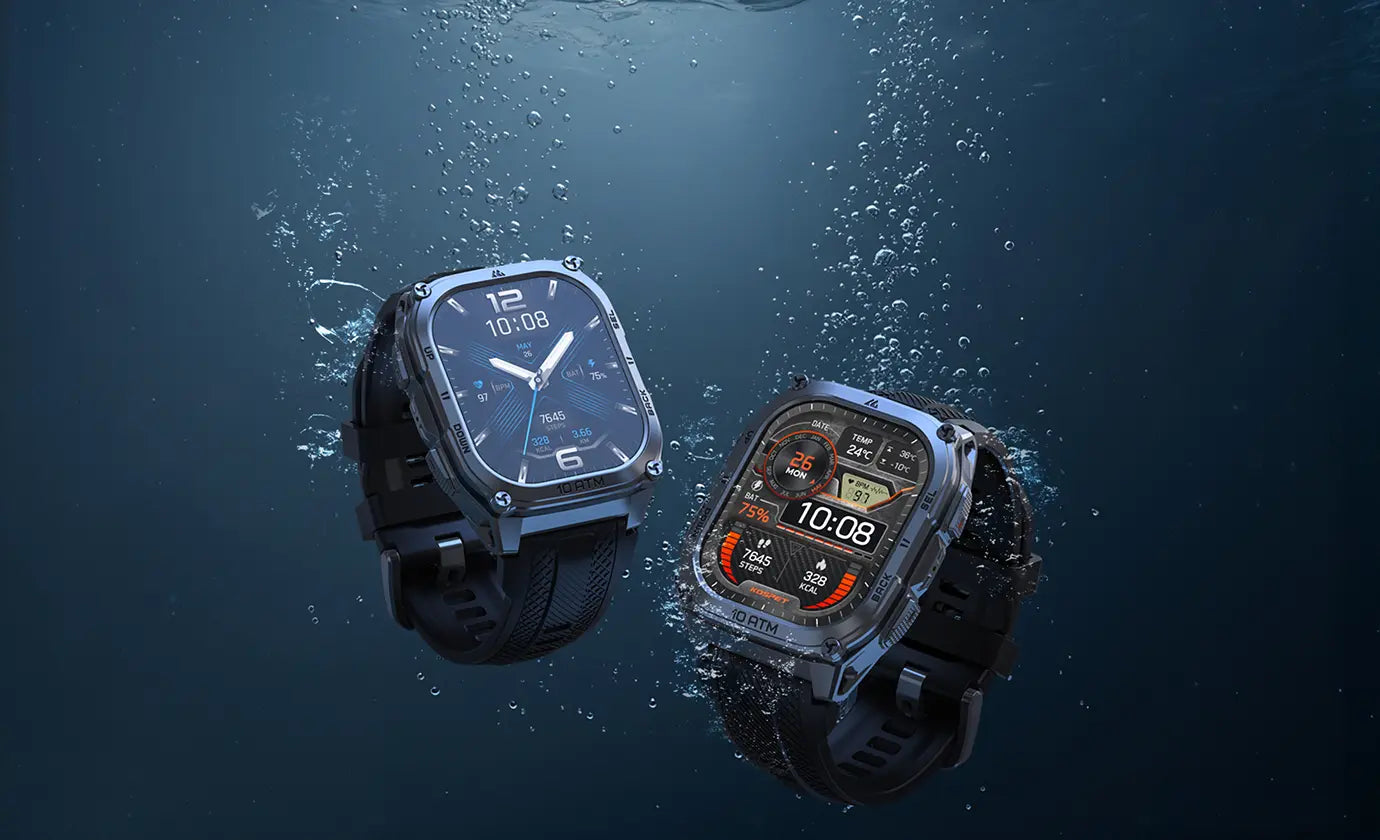
Weatherproof Convenience for Any Adventure
The first day of the trek started with beautiful weather, but by mid-afternoon, heavy rain began to pour. The trail became slippery, and the conditions quickly turned harsh. I was struggling to protect my phone, which wasn’t designed to survive in such conditions. But with my kospet Tank M4 smartwatch, I didn’t have to worry. Thanks to its 10 ATM waterproof rating, I was able to keep using it without issue. Whether it’s pouring rain, splashes from the ocean, or dusty desert storms, the smartwatch kept working seamlessly, allowing me to stay on track without worrying about water damage.
Read More: Choosing the Suitable Waterproof Smartwatch for Your Lifestyle–A Complete Guide
Navigating Remote Terrain with Confidence
As I ventured deeper into the Annapurna Circuit, the weather turned even worse. The fog thickened, and the trail became nearly impossible to follow. While others struggled to get a weak signal on their phones, I was able to rely on my smartwatch’s offline maps to continue navigating without needing a cell signal. Even in the most remote areas, I could see my exact location on the map, ensuring that I never strayed too far off the trail. This feature was an invaluable asset when I had no cell service for days.
Health Monitoring During Intense Physical Activity
Trekking at high altitudes can be physically demanding, and it’s easy to push yourself too hard without realizing it. On this trek, I relied on my smartwatch to monitor my heart rate, ensuring I didn’t overexert myself during long ascents. The heart rate monitor was especially useful when I found myself gasping for air on some of the steeper paths.
Not only could I check my heart rate in real-time, but the smartwatch also tracked my steps and calories burned, giving me a clear idea of how much energy I was expending. This feature helped me pace myself better during the more challenging parts of the trek. I could adjust my pace to avoid fatigue and ensure I was staying within safe physical limits.
Long Battery Life: No Need to Worry About Charging

One of the biggest challenges when traveling in remote areas is the lack of charging opportunities. While my fellow trekkers had to worry about their phones running out of battery, my smartwatch’s long-lasting battery kept going without a hitch. The battery lasted throughout my entire trek, even with constant GPS use, health monitoring, and notifications.
Thanks to the power pocket feature, the battery life was even more impressive. With the power pocket, I could extend the battery life up to an incredible 30 days. Whether I was trekking for days without access to a power source or just exploring remote locations, I never had to worry about running out of battery. It gave me the freedom to focus on the adventure without constantly searching for a place to charge.
Staying Connected in Remote Areas
Despite being far from civilization, staying connected is still important. Whether it's receiving an urgent message, checking in with loved ones, or getting critical travel updates, a smartwatch helps you stay in the loop. During my trek, I was able to receive notifications on my smartwatch, thanks to its Bluetooth connectivity.
Rather than pulling out my phone every time, I could simply glance at my wrist to check messages, calls, or notifications. This feature made communication so much easier while still allowing me to focus on the journey ahead. Even in remote areas with no cell service, I stayed informed and connected without interruption.
Conclusion
Looking back at my experience on the Annapurna Circuit, I can’t imagine how I would have managed without my smartwatch. From navigating through dense fog and rain to tracking my health and staying connected, it provided everything I needed during my outdoor adventure.
For anyone who enjoys exploring the outdoors, whether it's hiking, trekking, or simply venturing off the beaten path, a waterproof smartwatch offers more than just convenience—it provides safety, reliability, and peace of mind. It's a travel companion that not only keeps you connected but also helps you stay healthy and navigate with confidence, no matter where the journey takes you.

Comments