The Golden Triangle Tour: India’s Most Iconic Travel Route

The Golden Triangle india Tour is India’s most famous travel circuit, connecting three vibrant cities: Delhi, Agra, and Jaipur. This route offers a perfect blend of history, culture, and architectural splendor, making it an ideal introduction to India’s rich heritage. Whether you’re a first-time visitor or a seasoned traveler, this guide covers everything you need to know to plan an unforgettable journey.
Why the Golden Triangle is India’s Most Famous Travel Route
The Golden Triangle is renowned for its diversity and accessibility. Delhi showcases India’s political and historical significance, Agra is home to the world-famous Taj Mahal, and Jaipur embodies the royal charm of Rajasthan. Together, these cities form a compact yet comprehensive glimpse into India’s past and present, making it a must-do for travelers.
Overview of Destinations: Delhi, Agra, and Jaipur
Delhi: The bustling capital, blending Mughal and colonial history with modern vibrancy.
Agra: The city of love, famous for the Taj Mahal and Mughal-era monuments.
Jaipur: The Pink City, known for its majestic forts, palaces, and Rajasthani culture.
Understanding the Golden Triangle
Geography of the Golden Triangle Route
The Golden Triangle forms a roughly equilateral triangle in northern India, with each side spanning approximately 200–250 km. The route connects Delhi in the north, Agra in the southeast, and Jaipur in the southwest, covering parts of the states of Delhi, Uttar Pradesh, and Rajasthan.
How the Name “Golden Triangle” Originated
The term “Golden Triangle” reflects the cultural and historical richness of the three cities, as well as their triangular geographical arrangement. The “golden” aspect signifies the wealth of experiences, from iconic monuments to vibrant local traditions.
Distance and Travel Time Between Delhi, Agra, and Jaipur
Delhi to Agra: ~230 km, 3–4 hours by car via the Yamuna Expressway.
Agra to Jaipur: ~240 km, 4–5 hours by car.
Jaipur to Delhi: ~270 km, 5–6 hours by car.
By Train: Faster options like the Gatimaan Express (Delhi–Agra, ~1.5 hours) or Shatabdi Express (Delhi–Jaipur, ~4 hours) are available.
By Flight: Short flights connect Delhi to Jaipur (~1 hour), but Agra has limited flight options.
Best Time to Visit
Ideal Seasons for a Comfortable Trip
October to March: The best time, with pleasant weather (15–25°C) across all three cities.
April to June: Hot and dry, with temperatures up to 40°C, but fewer crowds.
July to September: Monsoon season; expect rain and humidity, though lush greenery enhances the scenery.
Climate and Weather Conditions in Each City
Delhi: Cold winters (5–15°C), scorching summers (30–40°C), and moderate monsoons.
Agra: Similar to Delhi, with slightly hotter summers and foggy winters.
Jaipur: Dry and arid, with cooler winters (10–20°C) and intense summer heat.
Festivals and Cultural Events Worth Experiencing
Delhi: Republic Day Parade (January), Diwali celebrations (October/November).
Agra: Taj Mahotsav (February), a 10-day cultural festival.
Jaipur: Jaipur Literature Festival (January), Teej Festival (July/August).
How to Plan Your Golden Triangle Itinerary
Recommended Duration for the Tour
4 Days: A fast-paced trip covering major highlights.
5–6 Days: Balanced itinerary with time for local experiences.
7 Days: Leisurely pace with room for side trips or relaxation.
Sample Itineraries for Different Timeframes
4-Day Itinerary:
Day 1: Delhi (Red Fort, Jama Masjid, India Gate).
Day 2: Delhi (Qutub Minar, Humayun’s Tomb) to Agra.
Day 3: Agra (Taj Mahal, Agra Fort) to Jaipur.
Day 4: Jaipur (Amber Fort, Hawa Mahal) to Delhi.
6-Day Golden Triangle Itinerary:
Day 1–2: Delhi (full city exploration, including Chandni Chowk).
Day 3: Delhi to Agra (Taj Mahal, Mehtab Bagh).
Day 4: Agra to Jaipur via Fatehpur Sikri.
Day 5–6: Jaipur (City Palace, Jantar Mantar, local bazaars) and return to Delhi.
7-Day Itinerary: Add a day trip to Ranthambore or Pushkar from Jaipur.
Choosing Between Group Tours, Private Tours, and Customised Tours
Group Tours: Cost-effective, fixed itineraries, good for solo travelers.
Private Tours: Flexible, personalized, ideal for families or couples.
Customised Tours: Tailored experiences, perfect for unique interests like photography or food.
Getting Around the Golden Triangle
Options for Transport
Private Car and Driver: Most convenient, offering flexibility and comfort.
Trains: Affordable and scenic, with reliable options like Shatabdi and Vande Bharat.
Flights: Quick for Delhi–Jaipur, but Agra’s limited airport makes this less practical.
Pros and Cons of Hiring a Private Driver India
Pros: Door-to-door service, local insights, customizable stops.
Cons: Higher cost, quality depends on the driver’s experience.
Budget vs. Luxury Travel Options
Budget: Trains, budget guesthouses, local eateries (~$50–100/day).
Luxury: Private drivers, 5-star hotels, guided tours (~$200–500/day).
Starting Point: Delhi – The Heart of India
Overview of Delhi’s Historical and Cultural Significance
Delhi, India’s capital, is a melting pot of ancient and modern influences. From Mughal monuments to colonial landmarks and bustling markets, it reflects India’s diverse history.
Must-Visit Attractions
Red Fort: A UNESCO World Heritage Site, showcasing Mughal architecture.
Qutub Minar: A 12th-century minaret, another UNESCO site.
Humayun’s Tomb: A precursor to the Taj Mahal’s design.
India Gate: A war memorial and iconic landmark.
Old Delhi Highlights
Chandni Chowk: A chaotic market with street food and shops.
Jama Masjid: India’s largest mosque, with stunning views from its minarets.
Street Food: Try parathas, chaat, and jalebi.
Modern Delhi
Connaught Place: A colonial-era shopping and dining hub.
Lodhi Gardens: A peaceful park with historic tombs.
Shopping: Dilli Haat for handicrafts, Khan Market for upscale stores.
Next Stop: Agra – City of the Taj Mahal

Brief History of Agra and the Mughal Era
Agra was the capital of the Mughal Empire, flourishing under emperors like Akbar and Shah Jahan. Its monuments reflect the grandeur of this era.
Taj Mahal: History, Architecture, and Visiting Tips
History: Built by Shah Jahan in memory of Mumtaz Mahal (1632–1653).
Architecture: A UNESCO site with symmetrical white marble and intricate inlays.
Tips: Visit at sunrise for fewer crowds, avoid Fridays (closed), and hire a guide for insights.
Other Key Monuments
Agra Fort: A massive fort with palaces and mosques.
Itmad-ud-Daulah’s Tomb: The “Baby Taj,” known for delicate marble work.
Mehtab Bagh: A garden offering Taj Mahal views across the Yamuna River.
Local Experiences
Handicrafts: Shop for marble inlay work and leather goods.
Mughlai Cuisine: Try pethas (sweets) and kebabs at local eateries.
Final Destination: Jaipur – The Pink City of Rajasthan
Introduction to Jaipur’s Royal Heritage
Jaipur, the capital of Rajasthan, was founded in 1727 by Maharaja Jai Singh II. Its pink-hued buildings and royal palaces reflect its regal past.
Famous Forts and Palaces
Amber Fort: A hilltop fort with stunning courtyards and views.
City Palace: A royal residence with museums and courtyards.
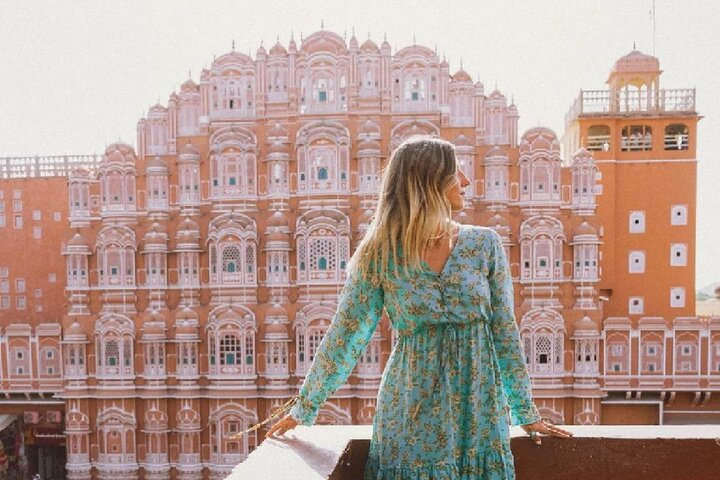
Hawa Mahal: The “Palace of Winds” with its iconic pink facade.
Jaigarh Fort: Home to the world’s largest cannon on wheels.
Local Bazaars
Johari Bazaar: For jewelry and gemstones.
Bapu Bazaar: For textiles and handicrafts.
Tripolia Bazaar: For lac bangles and souvenirs.
Cultural Highlights
Rajasthani Food: Try dal baati churma and ghevar.
Folk Music and Dance: Catch performances at cultural centers.
Puppet Shows: A traditional Rajasthani art form.
Extending the Golden Triangle Tour
Adding Ranthambore for a Tiger Safari
Ranthambore National Park, between Agra and Jaipur, is a prime spot for tiger sightings. A 1–2 day detour includes jeep safaris and wildlife photography.
Including Udaipur for Lakes and Palaces
Udaipur, the “City of Lakes,” is a 6–7 hour drive from Jaipur. Visit Lake Pichola, City Palace, and Jagmandir for a romantic extension.
Varanasi for Spiritual Experiences on the Ganges
A flight or overnight train from Delhi to Varanasi offers a spiritual journey with Ganges boat rides and evening aarti ceremonies.
Rajasthan Desert Extension to Jodhpur and Jaisalmer
Extend to Jodhpur (blue city, Mehrangarh Fort) or Jaisalmer (golden city, desert camping) for a deeper Rajasthan experience.
Accommodation Options Along the Route
Luxury Hotels and Palace Stays
Delhi: The Oberoi, Taj Palace.
Agra: Oberoi Amarvilas (Taj Mahal views).
Jaipur: Rambagh Palace, Taj Jai Mahal.
Mid-Range Boutique Hotels
Delhi: Bloomrooms, The Roseate House.
Agra: Crystal Sarovar Premiere.
Jaipur: Samode Haveli, Alsisar Haveli.
Budget-Friendly Guesthouses and Homestays
Delhi: Zostel Delhi, Moustache Hostel.
Agra: Homestays near Taj Ganj.
Jaipur: Jaipur Friendly Villa.
Heritage Hotels Offering a Royal Experience
Stay in converted palaces like Neemrana Fort Palace (near Delhi) or Samode Palace (near Jaipur).
Culinary Journey of the Golden Triangle
Traditional Delhi Street Food
Chaat: Pani puri, aloo tikki.
Parathas: Stuffed flatbreads at Paranthe Wali Gali.
Kebabs: Seekh kebabs at Karim’s.
Mughlai Flavours of Agra
Biryani: Fragrant rice with meat or vegetables.
Petha: A sweet delicacy.
Kebabs: Tunday-style at local eateries.
Rajasthani Thalis and Sweets of Jaipur
Thali: A platter with dal baati, laal maas, and ker sangri.
Sweets: Ghevar, malpua.
Dining: Chokhi Dhani for an authentic Rajasthani experience.
Best Dining Experiences
Delhi: Indian Accent (fine dining), Bukhara (North Indian).
Agra: Pinch of Spice, Esphahan at Oberoi Amarvilas.
Jaipur: 1135 AD, Baradari.
Shopping on the Golden Triangle Tour
Souvenirs to Buy in Delhi
Handicrafts: Dilli Haat for pottery and weaves.
Spices: Khari Baoli market.
Textiles: FabIndia for sustainable clothing.
Agra’s Marble Artefacts and Leather Goods
Marble Inlays: Mini Taj replicas and decorative items.
Leather: Shoes and bags from Sadar Bazaar.
Jaipur’s Jewellery, Block Prints, and Blue Pottery
Jewellery: Gemstones at Johari Bazaar.
Block Prints: Textiles at Anokhi.
Blue Pottery: Decorative items at Kripal Kumbh.
Practical Tips for Travellers
Visa and Entry Requirements for India
Most nationalities need an e-Visa (apply online, valid for 30 days to 5 years).
Carry a printed visa copy and passport-sized photos.
Safety Tips and Scam Awareness
Beware of touts at tourist sites.
Use reputable taxi apps like Ola or Uber in Delhi.
Negotiate prices at markets.
Health and Hygiene Considerations
Drink bottled water (Bisleri, Kinley).
Carry hand sanitizer and mosquito repellent.
Consult a doctor for vaccinations (e.g., typhoid, hepatitis A).
Money Exchange and Digital Payments
Exchange money at authorized centers or airports.
UPI apps (Google Pay, PhonePe) are widely accepted.
Carry small cash denominations for street vendors.
Packing Checklist
Clothing Essentials Based on the Season
Winter (Oct–Mar): Light layers, shawl for evenings.
Summer (Apr–Jun): Breathable cotton, hats, sunglasses.
Monsoon (Jul–Sep): Waterproof jackets, umbrellas.
Comfortable Footwear for Sightseeing
Sneakers or walking shoes for forts and markets.
Sandals for warmer months.
Cultural Etiquette: What to Wear When Visiting Temples and Mosques
Cover shoulders and knees; women may need a scarf for head covering.
Remove shoes before entering religious sites.
Travel Gadgets and Accessories
Universal power adapter (Type D for India).
Portable charger, sunscreen, reusable water bottle.
Cultural Etiquette and Local Customs
Do’s and Don’ts When Visiting Monuments and Temples
Do: Dress modestly, remove shoes, respect silence.
Don’t: Touch sacred objects, take photos where prohibited.
Tipping Culture in India
Restaurants: 5–10% if service isn’t included.
Drivers/Guides: ₹200–500/day.
Hotel Staff: ₹50–100 for small services.
Respecting Local Traditions and Photography Rules
Ask permission before photographing people.
Avoid public displays of affection.
Respect queues at monuments.
Photography Guide for the Golden Triangle
Best Sunrise and Sunset Spots
Delhi: India Gate at sunrise, Lodhi Gardens at sunset.
Agra: Taj Mahal at sunrise, Mehtab Bagh at sunset.
Jaipur: Amber Fort at sunrise, Patrika Gate at sunset.
Iconic Photo Locations
Delhi: Humayun’s Tomb arches, Chandni Chowk lanes.
Agra: Taj Mahal reflection pool, Agra Fort ramparts.
Jaipur: Hawa Mahal facade, Amber Fort courtyards.
Tips for Capturing Monuments Without Crowds
Arrive early (6–7 AM for Taj Mahal).
Use off-season months (April–June).
Frame shots creatively to exclude crowds.
Golden Triangle Tour for Different Travellers
Family-Friendly Travel Tips
Choose hotels with pools and kids’ activities.
Visit interactive sites like Jantar Mantar in Jaipur.
Opt for shorter travel days to avoid fatigue.
Solo Travellers: Safety and Experiences
Stay in well-reviewed hostels or homestays.
Join group tours for companionship.
Use ride-hailing apps for safe transport.
Luxury Travellers: Exclusive Experiences
Private guided tours with historians.
Palace stays like Taj Rambagh in Jaipur.
Exclusive dining at Oberoi properties.
Backpackers and Budget Travellers: Affordable Choices
Stay at Zostel or Moustache hostels.
Use trains like Shatabdi for intercity travel.
Eat at local dhabas for authentic, cheap meals.
Suggested Travel Routes and Combinations
Delhi → Agra → Jaipur vs. Delhi → Jaipur → Agra
Delhi → Agra → Jaipur: Ideal for Taj Mahal focus early in the trip.
Delhi → Jaipur → Agra: Saves Taj Mahal for a grand finale.
Circular Tours Starting and Ending in Delhi
Start in Delhi, travel to Agra, then Jaipur, and return to Delhi by road or train.
Combining the Golden Triangle with Other Indian States
Add Goa for beaches, Kerala for backwaters, or Himachal Pradesh for mountains.
Eco-Friendly and Responsible Travel Tips
Supporting Local Artisans and Communities
Buy directly from artisans at Dilli Haat or Johari Bazaar.
Choose homestays to support local families.
Choosing Eco-Conscious Accommodations
Look for hotels with sustainability certifications (e.g., The Oberoi’s eco practices).
Opt for guesthouses using solar power or water conservation.
Minimising Plastic Use While Travelling
Carry a reusable water bottle and cloth bag.
Avoid single-use plastic cutlery at street vendors.
Ethical Wildlife and Cultural Tourism
Book Ranthambore safaris with licensed operators.
Respect cultural performances by tipping artists.
FAQs About the Golden Triangle Tour
How Many Days Are Enough for the Golden Triangle Tour?
A 5–7 day trip is ideal for a relaxed experience, though 4 days can cover the highlights.
What Is the Best Way to Travel Between Delhi, Agra, and Jaipur?
A private car with a driver offers the most flexibility, but trains like the Shatabdi are budget-friendly and reliable.
Is the Golden Triangle Tour Suitable for Families with Children?
Yes, with family-friendly hotels, shorter itineraries, and kid-friendly attractions like forts and markets.
Can I Do the Golden Triangle Tour on a Budget?
Yes, with trains, budget guesthouses, and local eateries, you can keep costs under $100/day.
What Is the Approximate Cost of a Private Driver for the Tour?
Expect $50–100/day for a car and driver, depending on vehicle type and inclusions.
Is the Golden Triangle Safe for Solo Female Travellers?
Yes, if you stick to reputable accommodations, avoid late-night outings, and use trusted transport.
Can I Include Ranthambore National Park in the Golden Triangle Tour?
Yes, add a 1–2 day detour between Agra and Jaipur for a tiger safari.
Which Is Better: Agra or Jaipur, if I Have Limited Time?
Agra for the iconic Taj Mahal; Jaipur for a deeper cultural and royal experience.
Are There Luxury Train Options for the Golden Triangle?
Yes, the Palace on Wheels and Maharajas’ Express offer luxury train tours covering the Golden Triangle.
What Are Some Must-Try Foods During the Trip?
Delhi’s chaat, Agra’s petha, and Jaipur’s dal baati churma are must-tries.
Conclusion
Why the Golden Triangle Is the Perfect Introduction to India
The Golden Triangle offers a snapshot of India’s diversity, from Mughal grandeur to Rajasthani royalty and modern urban life. It’s accessible, culturally rich, and perfect for all types of travelers.
Final Tips for Making the Most of Your Journey
Plan rest days to avoid fatigue.
Hire local guides for deeper monument insights.
Embrace local food and markets for authentic experiences.
Encouragement to Explore Beyond the Golden Triangle
After the Golden Triangle, venture to Kerala’s backwaters, Ladakh’s mountains, or Varanasi’s spiritual heart for a fuller Indian adventure.

Comments