| ASPECT | DETAILS |
|---|---|
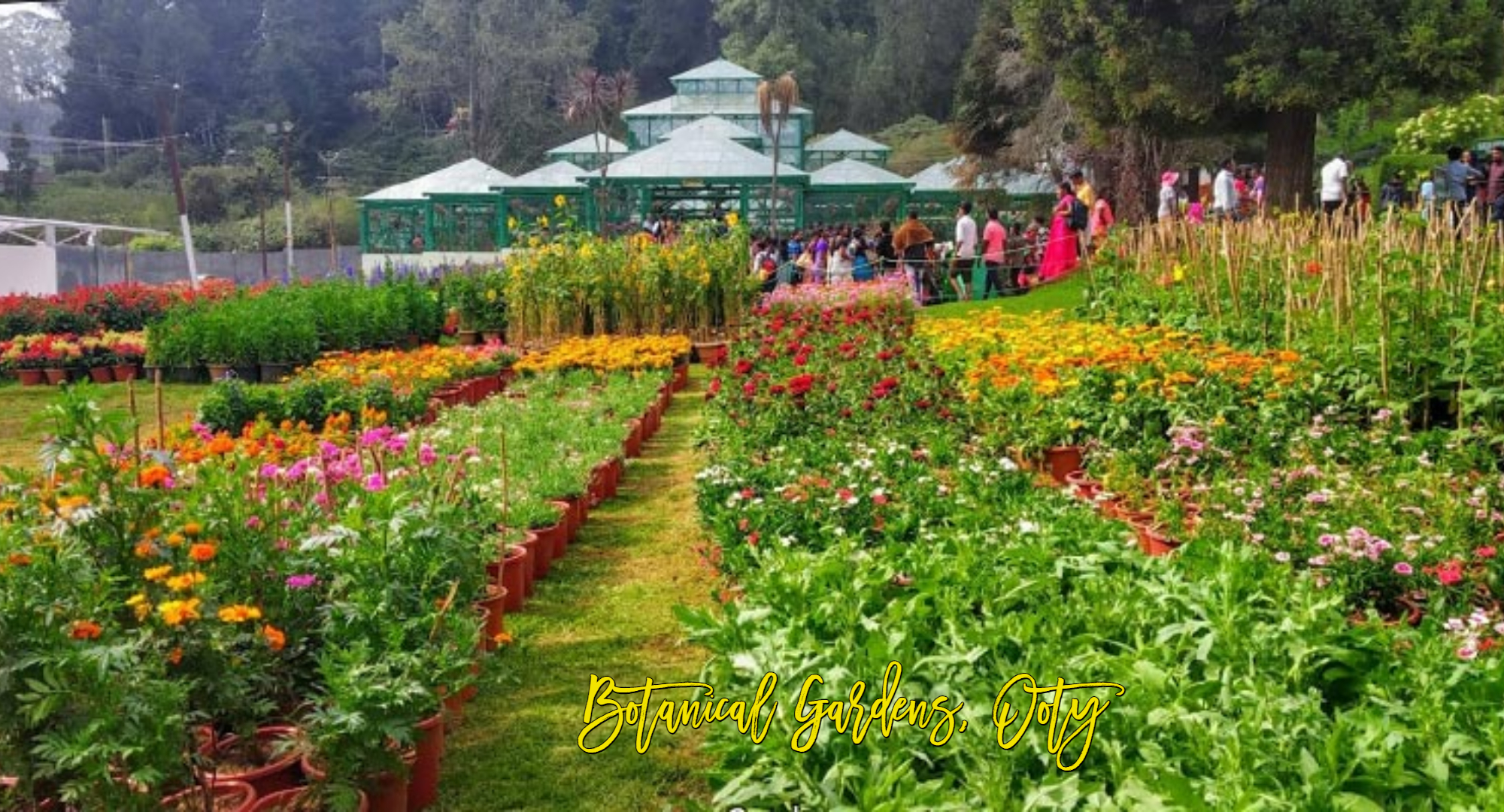
| Name | Government Botanical Gardens, Ooty |
| Location | Ooty (Udhagamandalam), Tamil Nadu, India |
| Establishment | 1848 |
| Area | About 55 acres |
| Collections | – Various species of plants, trees, shrubs, and flowers from across the globe<br>- Focused sections like the fern house, conservatory, Italian garden, etc. |
| Notable Features | – Fossilized tree trunk dating back to around 20 million years<br>- Toda Hill, a rock formation within the garden |
| Special Attractions | – Annual flower show (May) showcasing rare flowers and arrangements<br>- Toda tribe settlements nearby offering cultural insights |
| Importance | – Preservation of rare and endangered plant species<br>- Research and education in botany and horticulture |
| Facilities | – Visitor center and information desk<br>- Guided tours and audio guides available<br>- Parking facilities |
| Timings | Generally from 7:00 AM to 6:30 PM (may vary with seasons) |
| Entry Fees | Nominal fees for adults; reduced fees for children and students |
| Maintenance | Government-managed, well-maintained gardens |
| Conservation Efforts | – Efforts in preserving endangered plant species<br>- Educational programs for visitors on conservation |
Jodhpur Cabs's Posts (2307)
Sort by
Spanning over 50 acres, the Government Botanical Gardens is a floral paradise housing a diverse collection of exotic plants, ferns, and orchids. The highlight is the fossilized tree trunk believed to be over 20 million years old.
| CATEGORY | DETAILS |
|---|---|
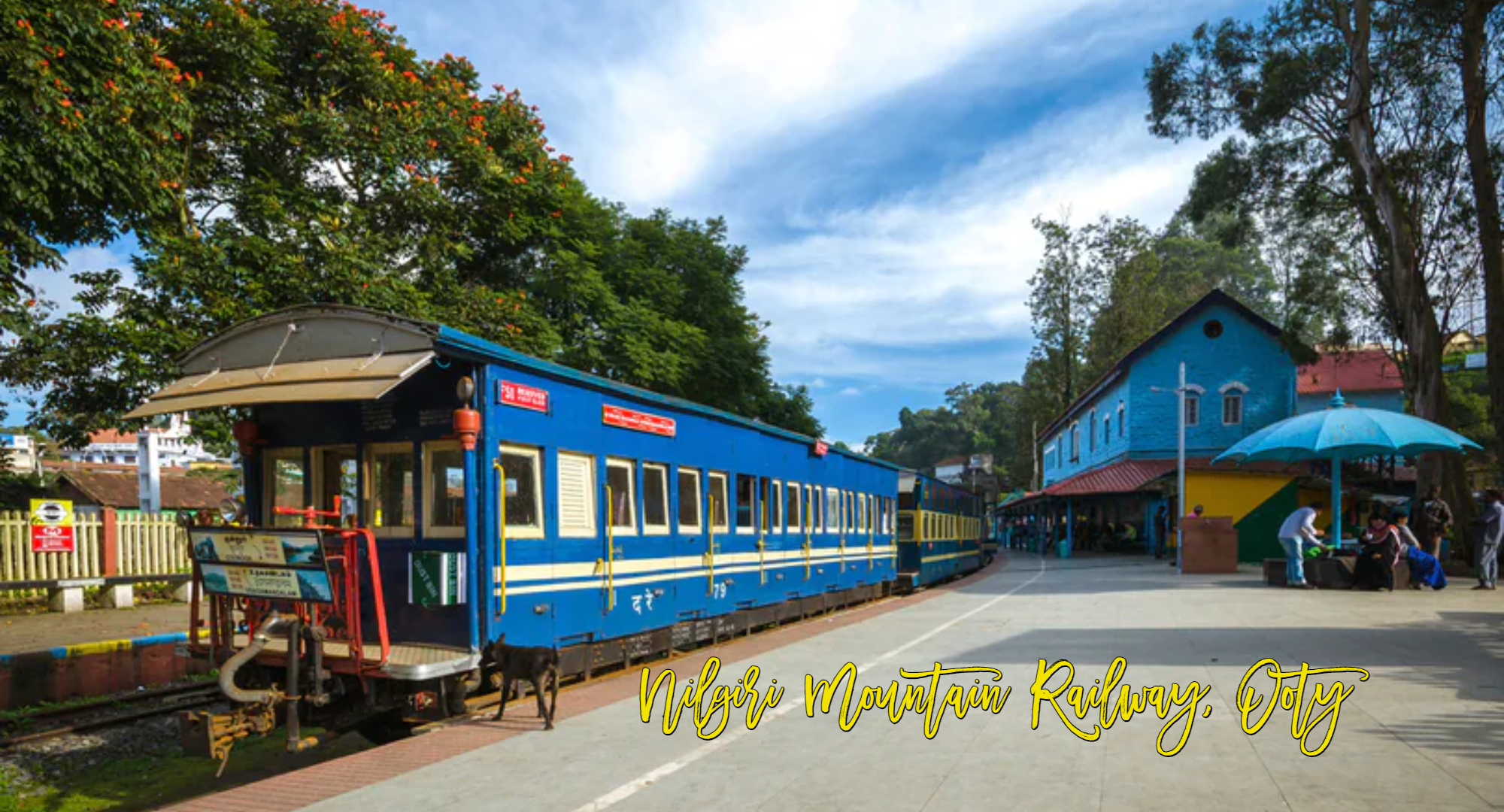
| Location | Nilgiri Hills, Tamil Nadu, India |
| UNESCO Status | UNESCO World Heritage Site |
| Inauguration | 1899 |
| Route | Mettupalayam – Ooty |
| Distance Covered | Approximately 46 kilometers |
| Elevation | From 326 meters (Mettupalayam) to 2,203 meters (Ooty) |
| Gauge | 1000 mm (Meter Gauge) |
| Notable Features | 208 curves, 16 tunnels, and 250 bridges |
| Popular Stops | Kallar, Adderley, Hillgrove, Coonoor |
| Scenic Highlights | Tea gardens, forests, valleys, and hillsides |
| Operating Times | Daily scheduled trips |
| Journey Duration | Approximately 5-6 hours |
| Special Trains | Toy Train, Steam Locomotives (occasional) |
| Unique Experience | Stunning vistas, heritage ride experience, vintage charm |
| Booking Options | Online and Offline bookings available |
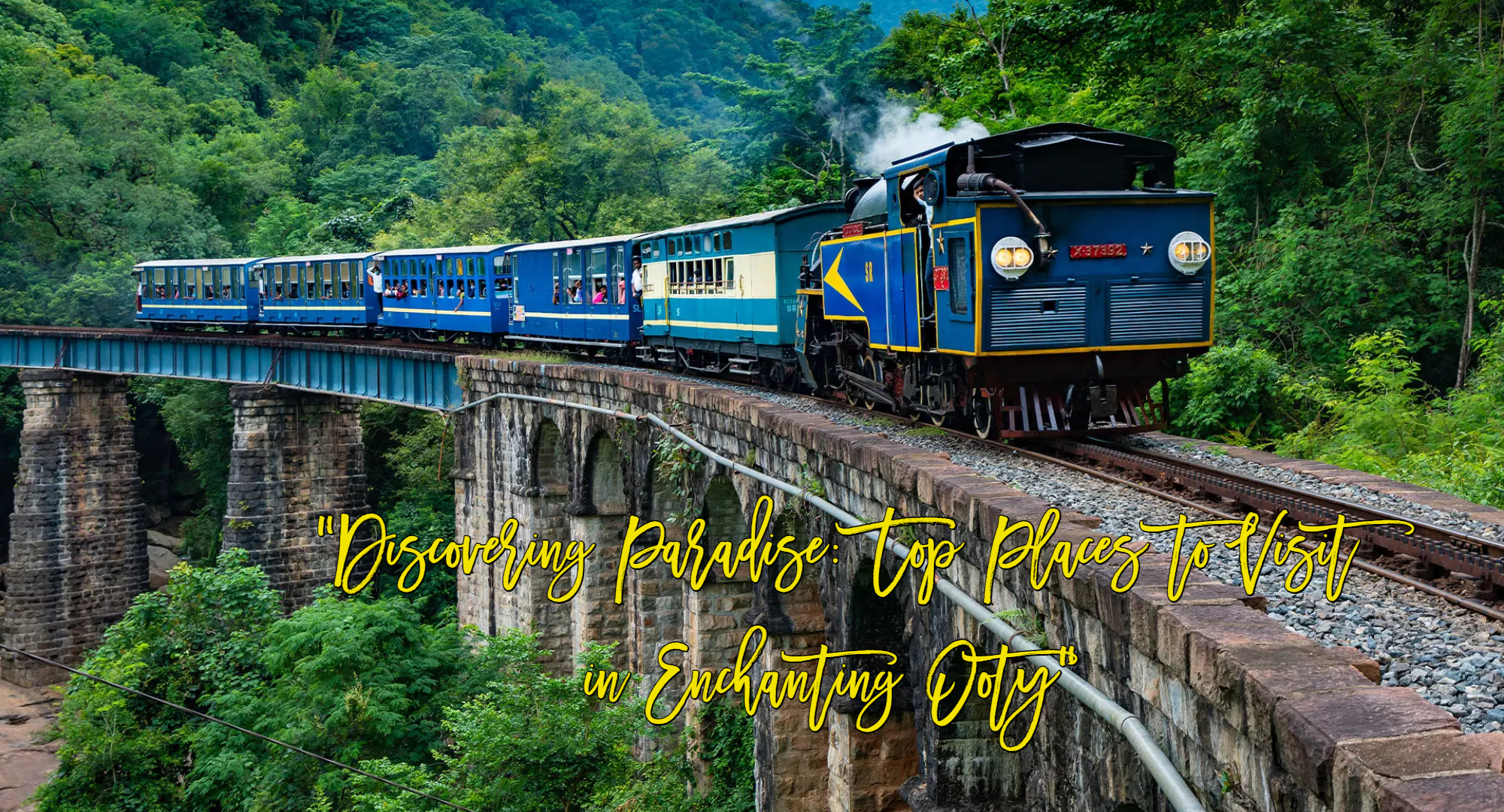
Absolutely, Ooty, officially known as Udagamandalam, is a picturesque hill station nestled in the Nilgiri Hills of Tamil Nadu, India. It’s a destination that captivates visitors with its scenic landscapes, pleasant weather, and an array of attractions. Here’s a guide to some of the must-visit places in Ooty:
Information About Coorg, Karnataka
| ASPECT | DETAILS |
|---|---|
| Location | Karnataka, India |
| Geography | Hill station; situated in the Western Ghats at an average altitude of about 900 meters (2,953 feet) above sea level |
| Famous For | Coffee plantations, lush greenery, Abbey Falls, Talakaveri, Dubare Elephant Camp, Madikeri Fort |
| Climate | Cool climate, moderate summers, mild winters; Frequent rainfall; Pleasant weather throughout the year |
| Best Time to Visit | October to March for pleasant weather; Monsoon (June to September) for lush greenery |
| Activities | Coffee plantation tours, trekking, river rafting, visiting waterfalls, wildlife safaris, exploring temples |
| Attractions | Abbey Falls, Talakaveri (origin of river Kaveri), Raja’s Seat, Namdroling Monastery, Nagarhole National Park |
| Nearby Places | Madikeri, Kushalnagar, Bhagamandala, Iruppu Falls, Nagarhole, Dubare |
| Local Cuisine | Coorgi cuisine – Pandi Curry (pork curry), Kadambuttu (rice dumplings), Bamboo Shoot Curry, Coorgi Coffee |
| Transportation | Road access from major cities; nearest airport – Mangalore Airport; nearest railway station – Mysore Railway Station |
| Accommodation | Homestays, resorts, hotels, and guesthouses amidst coffee estates and scenic landscapes |
| Popular Festivals | Kailpodh, Keil Poldu, Cauvery Sankramana, Puthari |
| Adventure Sports | Trekking (Tadiandamol Peak, Brahmagiri Peak), river rafting in Barapole River |
| Wildlife | Nagarhole National Park’s diverse wildlife including elephants, tigers, and various bird species |
Information About Lonavala, Maharashtra
| ASPECT | DETAILS |
|---|---|
| Location | Maharashtra, India |
| Geography | Hill station; situated in the Sahyadri range of the Western Ghats at an altitude of about 622 meters (2,041 feet) above sea level |
| Famous For | Lush greenery, waterfalls, trekking trails, caves, chikkis (sweet snack), Tiger’s Leap, Bhushi Dam |
| Climate | Pleasant weather, humid summers, moderate winters; Occasional heavy rainfall during monsoon |
| Best Time to Visit | October to May for pleasant weather; Monsoon (June to September) for lush greenery and waterfalls |
| Activities | Trekking, cave exploration (Karla and Bhaja Caves), waterfall visits, nature walks, photography |
| Attractions | Tiger’s Leap, Bhushi Dam, Lonavala Lake, Rajmachi Fort, Lohagad Fort, Duke’s Nose |
| Nearby Places | Khandala, Karla Caves, Bhaja Caves, Imagicaa Amusement Park |
| Local Cuisine | Maharashtrian cuisine – Vada Pav, Misal Pav, Bhel Puri, Chikki (local sweet made of jaggery and nuts) |
| Transportation | Road access from major cities; nearest airport – Pune Airport; nearest railway station – Lonavala Railway Station |
| Accommodation | Resorts, hotels, guesthouses, and villas offering scenic views of the hills and valleys |
| Popular Festivals | Ganesha Chaturthi, Diwali, Holi |
| Adventure Sports | Trekking in Sahyadri Range, camping, waterfall rappelling |
| Wildlife | Various bird species, biodiversity in nearby protected areas like Bhimashankar Wildlife Sanctuary |
Information About Mahabaleshwar, Maharashtra
| ASPECT | DETAILS |
|---|---|
| Location | Maharashtra, India |
| Geography | Hill station; situated in the Western Ghats at an altitude of about 1,372 meters (4,501 feet) above sea level |
| Famous For | Scenic viewpoints, strawberry farms, Venna Lake, Pratapgad Fort, Mahabaleshwar Temple |
| Climate | Pleasant summers, moderate winters; Heavy rainfall during monsoon |
| Best Time to Visit | October to June for pleasant weather; March to May for strawberry season |
| Activities | Sightseeing, boating, trekking, horse riding, strawberry picking, nature walks |
| Attractions | Arthur’s Seat, Kate’s Point, Needle Hole Point, Lingmala Waterfall, Wilson Point |
| Nearby Places | Panchgani, Pratapgad Fort, Mapro Garden, Tapola, Lingmala Falls |
| Local Cuisine | Maharashtrian cuisine – Poha, Misal Pav, Vada Pav, Strawberry-based delicacies |
| Transportation | Road access from major cities; nearest airport – Pune Airport; nearest railway station – Satara |
| Accommodation | Hotels, resorts, guesthouses, and bungalows offering panoramic views of valleys and hills |
| Popular Festivals | Mapro Strawberry Festival, Mahabaleshwar Strawberry Festival |
| Adventure Sports | Trekking in Sahyadri Range, boating in Venna Lake |
| Wildlife | Various bird species, biodiversity in nearby protected areas like Koyna Wildlife Sanctuary |
Information About Gangtok, Sikkim
| ASPECT | DETAILS |
|---|---|
| Location | Sikkim, India |
| Geography | Hill station; situated in the Eastern Himalayas at an altitude of about 1,650 meters (5,410 feet) above sea level |
| Famous For | Enchanting views, monasteries, Tsomgo Lake, Nathula Pass, MG Marg |
| Climate | Mild summers, chilly winters; Frequent rainfall; Pleasant climate throughout the year |
| Best Time to Visit | March to June & September to December for pleasant weather |
| Activities | Visiting monasteries, cable car rides, shopping, exploring viewpoints, trekking |
| Attractions | Rumtek Monastery, Enchey Monastery, Tsomgo Lake, Nathula Pass, Hanuman Tok, Ganesh Tok |
| Nearby Places | Tashi Viewpoint, Banjhakri Falls, Ranka Monastery, Fambong La Wildlife Sanctuary |
| Local Cuisine | Sikkimese cuisine – Momos, Thukpa, Gundruk, Phagshapa, Chaang (local millet-based alcoholic beverage) |
| Transportation | Road access from major cities; nearest airport – Bagdogra Airport; nearest railway station – New Jalpaiguri |
| Accommodation | Hotels, resorts, guesthouses, and homestays offering panoramic views of the Himalayas |
| Popular Festivals | Losar (Tibetan New Year), Saga Dawa, Dasain, Tihar |
| Adventure Sports | Trekking (Dzongri Trek, Goecha La Trek), river rafting in Teesta River |
| Wildlife | Red Panda, Himalayan Black Bear, various bird species; Fambong La Wildlife Sanctuary’s biodiversity |
| Cultural Heritage | Influenced by Tibetan-Buddhist culture; vibrant festivals, monasteries, and traditional practices |
Information About Darjeeling, West Bengal
| ASPECT | DETAILS |
|---|---|
| Location | West Bengal, India |
| Geography | Hill station; situated in the Lesser Himalayas at an altitude of about 2,042 meters (6,700 feet) above sea level |
| Famous For | Tea plantations, Darjeeling Himalayan Railway (Toy Train), Tiger Hill, Batasia Loop, Peace Pagoda |
| Climate | Mild summers, cold winters; Frequent rainfall; Pleasant climate throughout the year |
| Best Time to Visit | April to June & September to November for pleasant weather |
| Activities | Toy train rides, visiting tea gardens, trekking, mountain biking, shopping for handicrafts |
| Attractions | Tiger Hill, Batasia Loop, Himalayan Mountaineering Institute, Padmaja Naidu Himalayan Zoological Park, Rock Garden |
| Nearby Places | Ghoom Monastery, Kanchenjunga Mountain, Mirik, Sandakphu, Singalila National Park |
| Local Cuisine | Tibetan and Nepali cuisine – Momos, Thukpa, Tongba, Darjeeling Tea |
| Transportation | Road access from major cities; Darjeeling Himalayan Railway; nearest airport – Bagdogra Airport |
| Accommodation | Hotels, resorts, guesthouses, and homestays offering scenic views of the mountains |
| Popular Festivals | Darjeeling Carnival, Losar Festival, Tihar |
| Adventure Sports | Trekking (Singalila Ridge Trek), paragliding, river rafting in Teesta River |
| Wildlife | Red Panda, Himalayan Black Bear, various bird species; Singalila National Park’s biodiversity |
| Tea Industry | Renowned for its tea; numerous tea estates and gardens offering tours and tastings |
Information About Ooty, Tamil Nadu
| ASPECT | DETAILS |
|---|---|
| Location | Tamil Nadu, India |
| Geography | Hill station; situated in the Nilgiri Hills at an altitude of about 2,240 meters (7,350 feet) above sea level |
| Famous For | Tea plantations, Botanical Garden, Ooty Lake, Nilgiri Mountain Railway, Doddabetta Peak |
| Climate | Mild summers, cool winters; Pleasant climate throughout the year |
| Best Time to Visit | April to June & September to November for pleasant weather |
| Activities | Boating, trekking, toy train rides, visiting gardens, exploring tea estates, shopping |
| Attractions | Ooty Botanical Gardens, Ooty Lake, Doddabetta Peak, Rose Garden, Government Museum |
| Nearby Places | Coonoor, Kotagiri, Avalanche Lake, Dolphin’s Nose |
| Local Cuisine | South Indian cuisine, Nilgiri cuisine – Biryani, Varkey, Mushroom Soup |
| Transportation | Road access from major cities; Nilgiri Mountain Railway; nearest airport – Coimbatore International Airport |
| Accommodation | Hotels, resorts, homestays, and guesthouses offering scenic views of the hills |
| Popular Festivals | Tea and Tourism Festival, Ooty Summer Festival |
| Adventure Sports | Trekking in Nilgiris, mountain biking, hang gliding (at Kalahatti) |
| Wildlife | Nilgiri Tahr, Nilgiri Langur, various bird species; Mudumalai National Park nearby |
| Flora & Fauna | Rich biodiversity with a variety of flora including eucalyptus, pine, and tea gardens |
Information About Gulmarg, Jammu & Kashmir
| ASPECT | DETAILS |
|---|---|
| Location | Jammu & Kashmir, India |
| Geography | Hill station; situated at an altitude of 2,650 meters (8,694 feet) above sea level |
| Famous For | Skiing, Gondola rides, picturesque landscapes, meadows, golf course |
| Climate | Cool summers, cold winters with heavy snowfall; Pleasant weather during summer |
| Best Time to Visit | March to June for pleasant weather; December to February for skiing and snow activities |
| Activities | Skiing, snowboarding, Gondola rides, trekking, golfing, nature walks |
| Attractions | Gulmarg Gondola, Khilanmarg, Alpather Lake, St. Mary’s Church, Golf Course |
| Nearby Places | Tangmarg, Apharwat Peak, Ningle Nallah, Outer Circle Walk |
| Local Cuisine | Kashmiri cuisine – Rogan Josh, Yakhni, Kebabs, Dum Aloo |
| Transportation | Road access from Srinagar; nearest airport – Srinagar Airport; nearest railway station – Jammu Tawi |
| Accommodation | Hotels, resorts, and guesthouses offering scenic views of the surrounding landscapes |
| Popular Festivals | Winter Sports Festival, Gulmarg Snow Festival |
| Adventure Sports | Skiing, snowboarding, heli-skiing, trekking in summer months |
| Wildlife | Apharwat Wildlife Sanctuary, home to Himalayan Musk Deer, Brown Bear, and various bird species |
| Scenic Beauty | Meadows, snow-capped peaks, pine forests; Known as the “Meadow of Flowers” |
Information About Leh-Ladakh, Jammu & Ladakh
| ASPECT | DETAILS |
|---|---|
| Location | Union Territory of Ladakh, India |
| Geography | High-altitude desert; Leh at an altitude of around 3,500 meters (11,500 feet) above sea level |
| Famous For | Stunning landscapes, high mountain passes, monasteries, adventure sports, and Tibetan-Buddhist culture |
| Climate | Cold desert climate; Extremely cold winters, short summers, low precipitation |
| Best Time to Visit | June to September for accessibility due to open roads; July and August for local festivals |
| Activities | Trekking, motorbiking, sightseeing, monastery visits, river rafting, wildlife spotting |
| Attractions | Pangong Lake, Nubra Valley, Magnetic Hill, Shanti Stupa, Thiksey Monastery, Hemis Monastery |
| Nearby Places | Khardung La Pass, Tso Moriri Lake, Diskit Monastery, Hunder Sand Dunes |
| Local Cuisine | Thukpa, Momos, Skyu, Chhurpi (Yak cheese), Butter Tea |
| Transportation | Limited road access; Leh Airport (Kushok Bakula Rimpochee Airport) for air travel; no railway connectivity |
| Accommodation | Hotels, guesthouses, homestays, and campsites catering to various budgets |
| Popular Festivals | Hemis Festival, Ladakh Festival |
| Adventure Sports | Trekking (Markha Valley Trek, Chadar Trek), mountain biking, camel safaris, white water rafting |
| Culture & Tradition | Predominantly Tibetan-Buddhist culture, influenced by Central Asian heritage; vibrant festivals, rituals, and local customs |
| Wildlife | Snow leopards, Tibetan wild ass (Kiang), various bird species adapted to high altitudes |
| Conservation Areas | Hemis National Park, home to rare species like snow leopards and Himalayan wolves |
Information About Srinagar, Jammu & Kashmir
| ASPECT | DETAILS |
|---|---|
| Location | Jammu & Kashmir, India |
| Geography | Capital city; situated in the Kashmir Valley, at an average elevation of 1,585 meters (5,200 feet) above sea level |
| Famous For | Dal Lake, Mughal Gardens, Shikara rides, Houseboats, Jama Masjid, Shankaracharya Temple |
| Climate | Cool summers, cold winters; Heavy snowfall during winter; Pleasant summers |
| Best Time to Visit | April to October for pleasant weather; Winter (December to February) for snowfall and skiing |
| Activities | Shikara rides, houseboat stays, shopping for Pashmina shawls, exploring Mughal gardens, trying Kashmiri cuisine |
| Attractions | Dal Lake, Shalimar Bagh, Nishat Bagh, Chashme Shahi, Pari Mahal, Hazratbal Shrine |
| Nearby Places | Gulmarg, Sonmarg, Pahalgam, Yusmarg |
| Local Cuisine | Wazwan (multi-course meal), Rogan Josh, Yakhni, Kashmiri Pulao, Kahwa (traditional tea) |
| Transportation | Road access from major cities; nearest airport – Srinagar Airport; nearest railway station – Jammu Tawi |
| Accommodation | Houseboats, hotels, resorts, and guesthouses offering various views of the Dal Lake |
| Popular Festivals | Shikara Festival, Tulip Festival |
| Handicrafts | Pashmina shawls, Kashmiri carpets, paper-mâché items, wood carving |
| Adventure Sports | Skiing in Gulmarg, trekking in nearby areas, river rafting in Lidder River |
| Cultural Heritage | Blend of Kashmiri, Persian, and Mughal cultures; rich in Sufi music and traditional crafts |
Information About Nainital, Uttarakhand
| ASPECT | DETAILS |
|---|---|
| Location | Uttarakhand, India |
| Geography | Hill station, situated at an altitude of 2,084 meters (6,837 feet) above sea level |
| Famous For | Naini Lake, Naina Devi Temple, Tiffin Top, Snow View Point, Mall Road |
| Climate | Cool summers, chilly winters; Pleasant weather throughout the year |
| Best Time to Visit | March to June (summer) & September to November (autumn) for pleasant weather |
| Activities | Boating, cable car rides, trekking, shopping, sightseeing |
| Attractions | Naini Lake, Naina Peak, Snow View Point, Naina Devi Temple, Eco Cave Gardens, Raj Bhawan |
| Nearby Places | Bhimtal, Sattal, Mukteshwar, Ranikhet |
| Local Cuisine | Kumaoni cuisine – Ras, Bhatt ki Churkani, Aloo ke Gutke |
| Transportation | Road access from major cities; nearest airport – Pantnagar Airport; nearest railway station – Kathgodam |
| Accommodation | Range of hotels, resorts, guesthouses, and homestays |
| Popular Festivals | Nanda Devi Mela, Uttarayani Fair |
| Wildlife | Nearby Jim Corbett National Park, known for tigers and diverse flora/fauna |
| Adventure Sports | Paragliding, rappelling, rock climbing, and horse riding |
| Cultural Heritage | Influenced by Kumaoni traditions and British colonial architecture |
Information About Auli, Uttarakhand
| CATEGORY | DETAILS |
|---|---|
| Location | Chamoli district, Uttarakhand |
| Altitude | Around 2,800 meters to 3,050 meters (9,200 to 10,000 feet) above sea level |
| Climate | Cool: Summer (April to June), Cold: Winter (November to February) |
| Weather | Pleasant summers, Snow-covered winters |
| Best Time to Visit | April to June (summer), November to February (skiing season) |
| Attractions | Auli Ropeway, Auli Artificial Lake, Gurso Bugyal, Kwani Bugyal, Joshimath, Nanda Devi National Park (nearby) |
| Adventure Sports | Skiing, Snowboarding, Trekking, Cable Car Ride |
| Cuisine | Garhwali cuisine, North Indian dishes, Tibetan food |
| Local Festivals | Basant Panchami, Mata Murti Ka Mela |
| Accommodation | Hotels, Resorts, Guesthouses, Ski Resorts |
| Transport | Road access, nearest airport: Dehradun (280 km), nearest railway station: Haridwar (280 km) |
| Language | Hindi, Garhwali, English |
| Local Markets | Local stalls, Joshimath Market |
| Connectivity | Limited mobile network coverage, Limited internet connectivity in some areas |
Information About Mussoorie, Uttarakhand
| CATEGORY | DETAILS |
|---|---|
| Location | Dehradun district, Uttarakhand |
| Altitude | Around 1,880 meters (6,170 feet) above sea level |
| Climate | Moderate: Summer (March to June), Rainy: Monsoon (July to September), Cool: Winter (December to February) |
| Weather | Pleasant summers, Rainy monsoon, Cold winters |
| Best Time to Visit | March to June, September to November |
| Attractions | Kempty Falls, Gun Hill, Lal Tibba, Camel’s Back Road, Mussoorie Lake, Company Garden, Jwala Devi Temple |
| Adventure Sports | Trekking, Nature Walks, Paragliding, Zip Lining |
| Cuisine | Garhwali cuisine, Tibetan food, Cafes offering varied cuisines |
| Local Festivals | Summer and Winter Festivals, Bikhauti Festival |
| Accommodation | Hotels, Resorts, Guesthouses, Homestays |
| Transport | Road access, nearest airport: Dehradun (60 km), nearest railway station: Dehradun (34 km) |
| Language | Hindi, English, Garhwali dialects |
| Local Markets | Mall Road, Landour Bazaar |
| Connectivity | Good mobile network coverage, Limited internet connectivity in some areas |
Information About Shillong, Meghalaya
| CATEGORY | DETAILS |
|---|---|
| Location | East Khasi Hills district, Meghalaya |
| Altitude | Around 1,520 meters (4,980 feet) above sea level |
| Climate | Moderate: Summer (March to June), Rainy: Monsoon (July to September), Cool: Winter (December to February) |
| Weather | Pleasant summers, Heavy rainfall in monsoon, Cold winters |
| Best Time to Visit | September to May (avoiding monsoon) |
| Attractions | Shillong Peak, Elephant Falls, Umiam Lake, Don Bosco Museum, Ward’s Lake, Police Bazaar, Laitlum Canyons |
| Adventure Sports | Trekking, Caving, Rock Climbing, Waterfall Rappelling |
| Cuisine | Khasi cuisine, Tibetan food, Cafes with diverse cuisines |
| Local Festivals | Shad Suk Mynsiem, Behdienkhlam, Wangala Festival |
| Accommodation | Hotels, Guesthouses, Resorts, Homestays |
| Transport | Road access, nearest airport: Shillong Airport, nearest major railway station: Guwahati (104 km) |
| Language | Khasi, English, Hindi |
| Local Markets | Police Bazaar, Bara Bazaar |
| Connectivity | Good mobile network coverage, Limited internet connectivity in some areas |
Information About Dalhousie, Himachal Pradesh
| CATEGORY | DETAILS |
|---|---|
| Location | Chamba district, Himachal Pradesh |
| Altitude | Around 1,970 meters (6,460 feet) above sea level |
| Climate | Mild: Summer (March to June), Cold: Winter (December to February) |
| Weather | Pleasant summers, Cold winters, Occasional snowfall |
| Best Time to Visit | March to June (summer), December to February (snowfall) |
| Attractions | Khajjiar, Kalatop Wildlife Sanctuary, Dainkund Peak, Satdhara Falls, St. John’s Church, Panchpula |
| Adventure Sports | Trekking, Nature Walks, Horse Riding |
| Cuisine | Himachali cuisine, Tibetan food, Cafes offering international cuisine |
| Local Festivals | Minjar Fair, Summer and Winter Carnivals |
| Accommodation | Hotels, Resorts, Guesthouses, Homestays |
| Transport | Road access, nearest airport: Pathankot (75 km), nearest railway station: Pathankot (80 km) |
| Language | Hindi, English, Himachali dialects |
| Local Markets | Gandhi Chowk Market, Tibetan Handicrafts Market |
| Connectivity | Good mobile network coverage, Limited internet connectivity in some areas |
Information About McLeod Ganj, Himachal Pradesh
| CATEGORY | DETAILS |
|---|---|
| Location | Upper Dharamshala, Kangra Valley, Himachal Pradesh |
| Altitude | Around 1,770 meters (5,800 ft) above sea level |
| Climate | Mild: Summer (March to June), Cold: Winter (December to February) |
| Weather | Pleasant summers, Cold winters, Occasional snowfall |
| Best Time to Visit | March to June (summer), September to November (post-monsoon), December to February (snowfall) |
| Attractions | Tsuglagkhang Complex (Dalai Lama’s temple), Namgyal Monastery, Bhagsu Waterfall, Tibetan Museum, Norbulingka Institute, St. John in the Wilderness Church |
| Adventure Sports | Trekking, Camping, Nature Walks |
| Cuisine | Tibetan cuisine, Cafes offering international cuisine, Momos, Thukpa, Local Himachali dishes |
| Local Festivals | Losar Festival, Tibetan New Year, International Himalayan Festival |
| Accommodation | Guesthouses, Homestays, Budget Hotels, Boutique Hotels |
| Transport | Road access, nearest airport: Gaggal Airport (18 km), nearest railway station: Pathankot (90 km) |
| Language | Hindi, English, Tibetan dialects |
| Local Markets | McLeod Ganj Market, Jogiwara Road Market |
| Connectivity | Good mobile network coverage, Wi-Fi available in cafes and guesthouses |
Information About Dharamshala, Himachal Pradesh
| CATEGORY | DETAILS |
|---|---|
| Location | Kangra Valley, Himachal Pradesh |
| Altitude | Lower Dharamshala: Around 1,457 meters (4,780 ft) above sea level; Upper Dharamshala (McLeod Ganj): Around 1,770 meters (5,800 ft) above sea level |
| Climate | Mild: Summer (March to June), Cold: Winter (December to February) |
| Weather | Pleasant summers, Cold winters, Occasional snowfall |
| Best Time to Visit | March to June (summer), September to November (post-monsoon), December to February (snowfall) |
| Attractions | Tsuglagkhang Complex (Dalai Lama’s temple), Bhagsu Waterfall, Namgyal Monastery, Triund, Dal Lake, Kangra Fort, Masroor Rock Cut Temple, Norbulingka Institute |
| Adventure Sports | Trekking, Camping, Paragliding, Rock Climbing |
| Cuisine | Tibetan food, Momos, Thukpa, Local Himachali dishes |
| Local Festivals | Losar Festival, Tibetan New Year, International Himalayan Festival |
| Accommodation | Hotels, Guesthouses, Homestays, Resorts |
| Transport | Road access, nearest airport: Gaggal Airport (13 km), nearest railway station: Pathankot (85 km) |
| Language | Hindi, English, Tibetan dialects |
| Local Markets | McLeod Ganj Market, Kotwali Bazaar |
| Connectivity | Good mobile network coverage, Wi-Fi availability in many cafes and hotels |
