India is home to the largest population of Bengal tigers in the world, making it the ultimate destination for travelers seeking thrilling tiger safaris. With over 50 tiger reserves and countless national parks, India’s landscapes range from dense mangrove forests and arid deserts to lush jungles and grasslands—each offering a unique chance to witness the majestic big cat in its natural habitat.
In this guide, we’ll explore the Top 5 wildlife sanctuaries in India for tiger safari adventures—each park not only guarantees breathtaking encounters with tigers but also showcases India’s diverse ecosystems and rich cultural heritage.
1. Ranthambore National Park – Rajasthan’s Pride

Nestled in the heart of Rajasthan, Ranthambore National Park is one of India’s most popular destinations for tiger safaris. Once a royal hunting ground, today it is a protected reserve where tigers roam freely among ancient ruins and rugged landscapes.
Best Time to Visit Ranthambore
The best months are October to June, with peak tiger sightings from March to May when the animals gather near waterholes.
Safari Zones and Tiger Sighting Hotspots
Ranthambore has 10 safari zones, each offering unique landscapes and wildlife. Zones 2, 3, and 4 are known for frequent tiger sightings, particularly around Rajbagh Lake, Padam Talao, and Malik Talao.
Other Wildlife in Ranthambore
Apart from tigers, visitors can spot:
Leopards
Sloth bears
Marsh crocodiles
Sambar deer
Over 320 species of birds
The combination of wildlife and history—with the Ranthambore Fort overlooking the park—makes this sanctuary an unparalleled experience.
2. Bandhavgarh National Park – The Land of the Highest Tiger Density
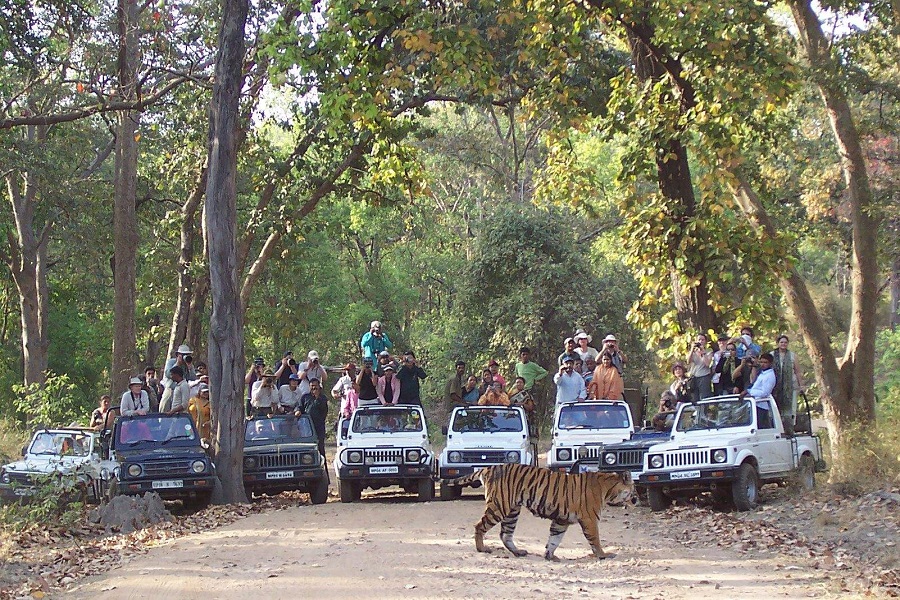
Located in Madhya Pradesh, Bandhavgarh National Park holds the title of having the highest density of tigers in India, making it one of the most reliable parks for tiger sightings.
Bandhavgarh Safari Experience
Safaris here are exhilarating, with the park’s Sal forests, grasslands, and hills providing the perfect backdrop for wildlife photography.
Historical and Cultural Significance
The park is home to the ancient Bandhavgarh Fort, dating back over 2,000 years, adding a layer of mystique to the safari experience.
Flora and Fauna Beyond Tigers
Other notable species include:
Leopards
Indian bison (gaur)
Chinkara
250+ bird species
Bandhavgarh is often referred to as “the land of the tiger”, making it a must-visit for serious wildlife enthusiasts.
3. Jim Corbett National Park – India’s First Tiger Reserve
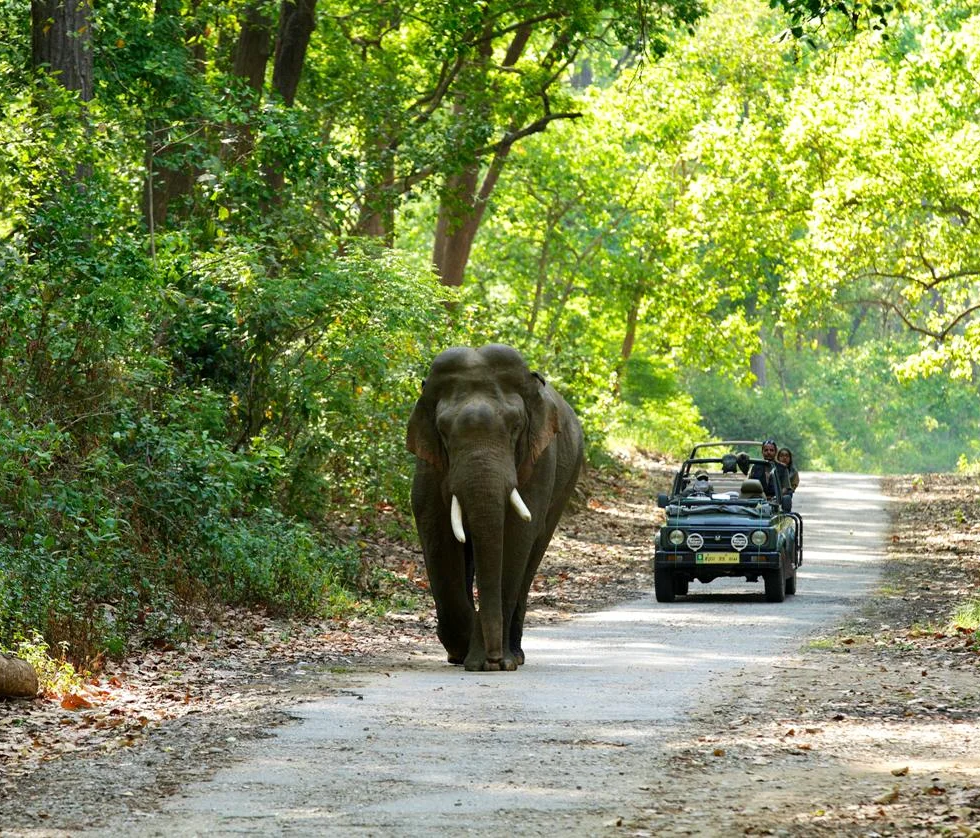
Established in 1936, Book Jim Corbett National Park in Uttarakhand is India’s first and oldest tiger reserve, and the birthplace of Project Tiger (1973).
Best Safari Zones in Corbett
Corbett has six zones, with Dhikala being the most famous for tiger sightings. Other popular zones include Bijrani and Jhirna.
Unique Experiences in Corbett
Visitors can enjoy:
Elephant safaris
Birdwatching tours (over 600 species)
River rafting in the Kosi River
Accommodation Options Inside and Near Corbett
Dhikala Forest Lodge offers the rare opportunity to stay inside the core zone, surrounded by nature and wildlife sounds.
4. Kanha National Park – The Inspiration Behind The Jungle Book
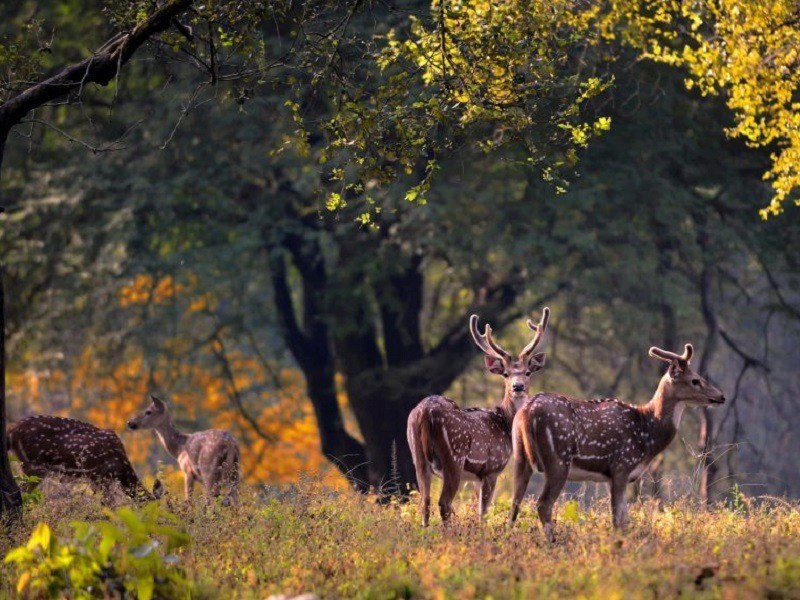
Famed for inspiring Rudyard Kipling’s The Jungle Book, Kanha National Park in Madhya Pradesh is one of India’s most scenic tiger reserves.
Tiger Tracking in Kanha
The park has designated tiger zones, and guides often track fresh pugmarks and alarm calls to spot these magnificent cats.
Other Wildlife Encounters
Kanha is also known for:
Barasingha (hard-ground swamp deer, unique to Kanha)
Leopards
Wild dogs (dholes)
Indian jackals
Eco-Tourism and Conservation Efforts
Kanha is a model for sustainable tourism, balancing wildlife protection with visitor experiences.
5. Sundarbans National Park – The Home of the Elusive Swamp Tigers

Stretching across West Bengal and Bangladesh, the Sundarbans is the world’s largest mangrove forest and home to the famous “swimming tigers”.
Boat Safari Adventures in the Sundarbans
Unlike other parks, safaris here are conducted by boats, navigating mangrove creeks where tigers are often seen swimming or resting on muddy banks.
Rare Wildlife Beyond Tigers
Estuarine crocodiles
Fishing cats
Olive Ridley turtles
Migratory birds
Best Travel Tips for Sundarbans Visitors
Travel during November to March for pleasant weather and better chances of spotting tigers and birds.
How to Plan Your Tiger Safari in India
Best Time of the Year
October–June: Most parks remain open
March–May: Peak summer, best tiger sightings near waterholes
June–September: Monsoon, many parks remain closed
Types of Safaris: Jeep vs. Canter vs. Boat
Jeep Safari: Personalized, flexible, closer encounters
Canter Safari: Budget-friendly, larger groups
Boat Safari: Unique to Sundarbans
Essential Safari Tips
Book safaris well in advance (parks limit vehicles daily)
Wear neutral-colored clothing
Carry binoculars and cameras
Respect park rules—avoid loud noises and littering
FAQs on Tiger Safaris in India
Q1. Which is the best national park in India for tiger sightings? Bandhavgarh and Ranthambore are the most reliable for frequent sightings.
Q2. How much does a tiger safari cost in India? Costs vary, but jeep safaris typically range between ₹2,500–₹6,000 per ride per jeep.
Q3. Is it safe to go on a tiger safari? Yes, safaris are conducted under strict guidelines with trained guides and drivers ensuring visitor safety.
Q4. Can I stay inside tiger reserves? Yes, parks like Jim Corbett (Dhikala) and Kanha offer accommodations within core or buffer zones.
Q5. When is the best time to see tigers in India? March to May is the peak season as tigers often gather near water sources.
Q6. Are tiger safaris suitable for children? Yes, children above 5 years can enjoy safaris, though parents should follow safety instructions carefully.
Conclusion: Embark on Your Dream Tiger Safari
India’s tiger reserves are more than just wildlife destinations—they are living ecosystems that connect travelers to the majesty of the Bengal tiger and the diversity of Indian landscapes. From the royal ruins of Ranthambore to the mangroves of Sundarbans, every park offers a unique safari experience.

Comments