Madu River Boat Safari: Guide to Sri Lanka's Mangrove Wetland
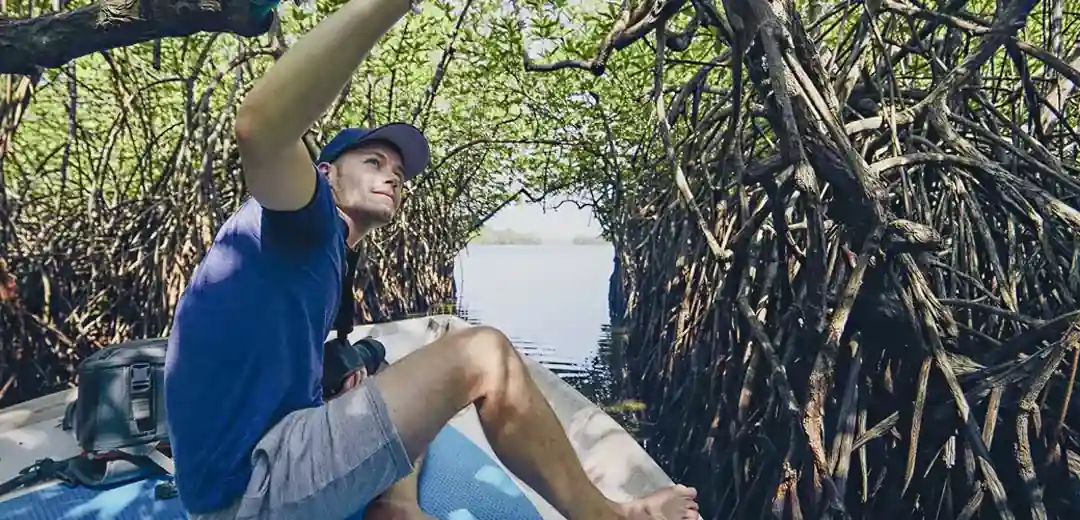
Anyone building a Sri Lanka itinerary between Galle and Bentota keeps running into the same two words: Madu River, sometimes written Madu Ganga or misspelled Madhu River. There's a reason for that. This is a 915 hectare Ramsar listed wetland on the southwest coast, and it happens to be one of the easiest, most complete half day trips in the entire country. In the space of two or three hours, a Madu River boat safari takes you through narrow mangrove tunnels, past an island temple with a 1,600 year history, through a working cinnamon plantation, and close enough to kingfishers, water monitors and purple faced langurs that you won't need a long lens to see them properly.
This guide is written to cover everything a first time visitor actually needs. Where the river is and how it was formed, what a typical safari route looks like stop by stop, what it costs and how prices differ between operators, the ecology and conservation status behind the scenery, when to go, what to pack, and how to combine it with the rest of a south coast itinerary. No filler, just what you need to plan the trip properly.
In this guide:
- What and Where Is Madu River?
- Getting to Madu River
- What Happens on a Madu River Boat Safari
- Things to See and Do
- Wildlife You're Likely to Spot
- Madu River Boat Safari Price
- Best Time to Visit
- What to Wear and Bring
- Safety and Etiquette
- Combining Madu River with Nearby Attractions
- Who This Trip Suits
- Frequently Asked Questions
What and Where Is Madu River?
Madu Ganga rises inland near Uragasmanhandiya and widens into Madu Ganga Lake close to the coastal town of Balapitiya before draining about 4.4 km into the Indian Ocean. It sits roughly 88 km south of Colombo and 35 km north of Galle, just off the A2 coastal highway, which is exactly why it works so well as a stop between the capital and the south.
The river's estuary connects to a second, smaller waterbody, Randombe Lake, through two narrow channels. Officially, the Ramsar Secretariat lists the site as containing 15 islands of varying size, some of them inhabited. Tourism material and local operators often cite a much higher number, sometimes 60 or more, because the count depends entirely on how small an outcrop has to be before it stops being an island and starts being a mangrove clump. Either way, the density of land within the water is what gives the river its maze like character.
A Protected Wetland with Real Numbers Behind It
Sri Lanka named Madu Ganga a Wetland of International Importance under the Ramsar Convention on 11 December 2003, its third such designation nationally. This wasn't a symbolic label. A field survey carried out by IUCN Sri Lanka between May and October 2000 recorded around 303 plant species across 95 families, 19 of them endemic to Sri Lanka, along with 248 vertebrate species, 20 of them endemic to the country. The wetland qualified for the Ramsar list under seven separate criteria of international importance, an unusually high number for a single site.
Species of particular conservation concern found here include Shorea affinis, an endangered endemic tree, the mugger crocodile (listed vulnerable by the IUCN), the estuarine or saltwater crocodile, the flapshell turtle, the Indian python, and the purple faced leaf monkey, which is discussed in more detail further down. Beyond the vertebrates, surveys have also recorded 31 reptile species, 25 mollusk species and more than 50 butterfly species within the wetland boundary, along with amphibians that make up roughly a fifth of all species found in Sri Lanka.
Of Sri Lanka's 24 native mangrove species, 14 grow here, including Lumnitzera littorea, a critically endangered mangrove locally known as Rathamilla. Researchers studying the species at Madu Ganga have found the surviving population is aged, with low natural regeneration, and that a micro moth in the Gelechiidae family preys on a large share of its seeds before they can germinate. It's a small, easily overlooked detail on a boat tour, but it says something about how fragile parts of this ecosystem actually are underneath the postcard scenery.
That density of biodiversity in such a small area is what separates a Madu River boat safari from a standard river cruise. You're moving through a working, protected ecosystem that supports real conservation research, not a scenic backdrop built for tourism.
Getting to Madu River
The gateway town is Balapitiya, and there are three practical ways to get there.
By road: From Colombo, driving via the Southern Expressway takes around 1 hour 45 minutes to 2 hours, covering roughly 88 to 100 km depending on the route taken off the highway. From Bandaranaike International Airport, allow closer to 2 hours given the added distance north through Katunayake. Taxis and pre-booked airport transfers are the most comfortable option if you're arriving straight off a flight.
By train: Sri Lanka Railways runs coastal line services from Colombo Fort Station toward Galle and Matara, stopping at Balapitiya along the way. The journey takes roughly 1 hour 20 minutes to 1.5 hours and costs a few hundred rupees in second or third class, making it one of the cheapest and most scenic ways to reach the coast. Trains run multiple times daily, though schedules are worth double checking close to travel since coastal line timings shift periodically.
By bus: National Transport Commission buses run from Colombo's Bastian Mawatha terminal toward Ambalangoda, passing through Balapitiya, though the journey stretches to around 3 hours and is less comfortable than rail for most travellers.
From Balapitiya's town centre, tuk tuks and taxis cover the short final distance to the boat jetties. Most travellers base themselves in nearby Bentota or Ahungalla, both well stocked with resorts, and treat Madu Ganga as a half day excursion, which suits the safari well since it rarely runs longer than three hours. If you're coming from Galle, the drive north is closer to 45 minutes.
For the clearest light and the most active wildlife, aim to be on the water by mid morning rather than arriving in the flat heat of early afternoon.
What Happens on a Madu River Boat Safari
Safaris run in traditional flat bottomed boats seated for small groups, guided by local boatmen who know the channels well enough to navigate without a map. A standard tour lasts 1.5 to 3 hours, moving through a mix of narrow mangrove tunnels and open lagoon, stopping at several islands and points of interest along a fixed route. Most operators run a short briefing before departure, covering the route, safety instructions and what to expect, then hand out life jackets and set off.
What follows is a slow moving nature and culture tour on water. The boat idles or docks at each stop long enough to explore properly, then continues to the next, so the pace never feels rushed even on the shorter routes.
Things to See and Do on the Madu River
This is the core of the trip, and it helps to know what's actually on the route before booking, since not every operator includes every stop, and some charge extra for a couple of them.
Mangrove Tunnels
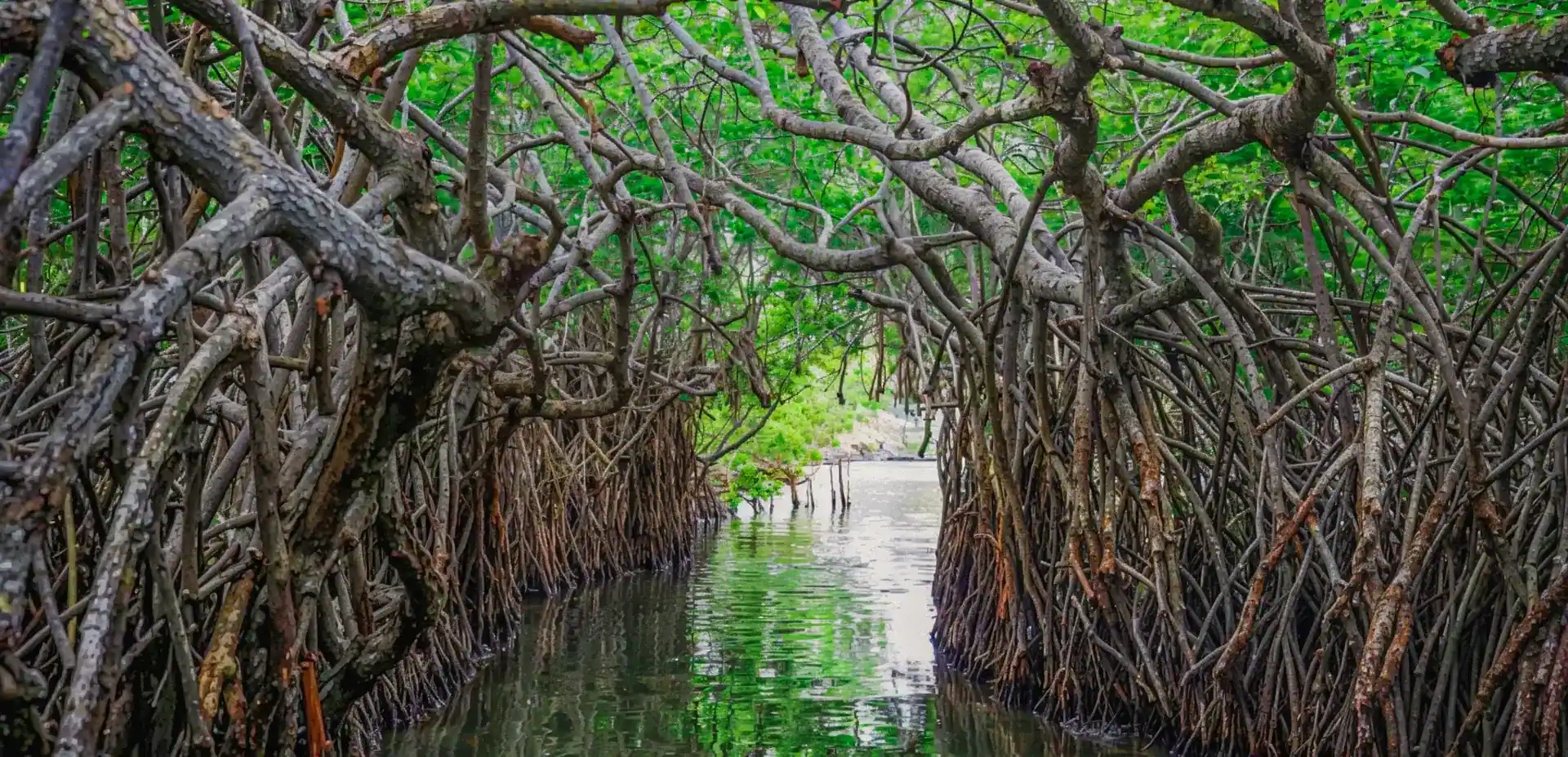
The signature moment of any Madu River boat safari is passing through the mangrove tunnels, narrow channels where dense root systems and overhanging canopy close in from both sides and cut out most of the sky. Locally these forests are called Kadolana, and they do more than look good in photos. The root networks filter water, stabilise the shoreline and act as breeding grounds for fish and prawns. During the 2004 Indian Ocean tsunami, this same mangrove belt is credited with acting as a natural buffer that reduced the impact on surrounding land, a detail that puts the conservation status in real world context rather than just an ecological footnote.
Kothduwa Raja Maha Viharaya
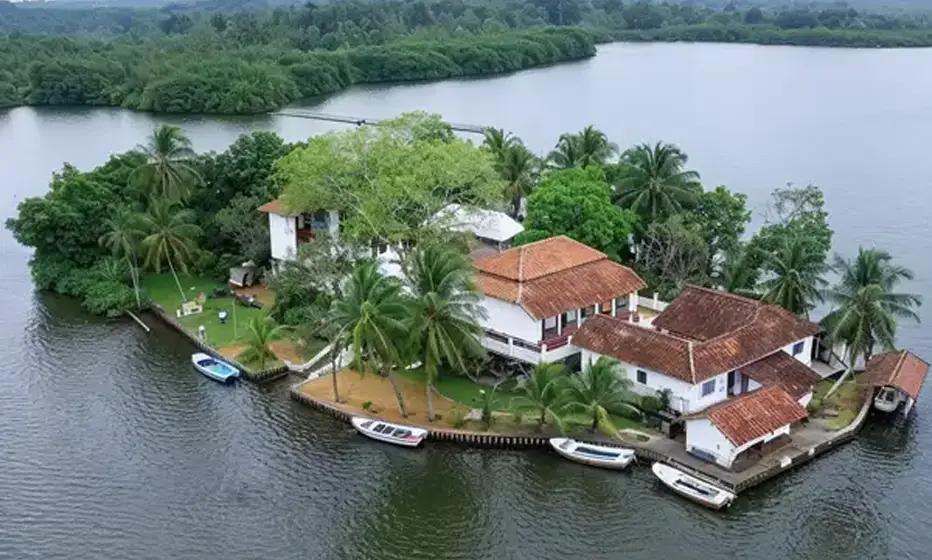
A short stop takes you to Kothduwa Island, home to an isolated Buddhist temple with no road, bridge or village access. The only way in is by boat. According to the chronicle Dalada Vansaya, the island briefly sheltered the Buddha's tooth relic when it was smuggled into Sri Lanka in the 4th century CE, and a sapling from the sacred Jaya Sri Maha Bodhi in Anuradhapura was later planted here to mark the event. The current temple buildings date to the 1860s, built under local leader Samson Rajapakse. On full moon Poya days the island can receive close to a thousand pilgrims. On an ordinary weekday morning, it's just you, the resident monks and the sound of the river.
Shoes come off before entering the shrine buildings, and modest dress covering shoulders and knees is expected. Photography is welcome across the grounds, though visitors are asked to stay quiet and avoid photographing during active prayer.
Five Cent Island (Satha Paha Duwa)
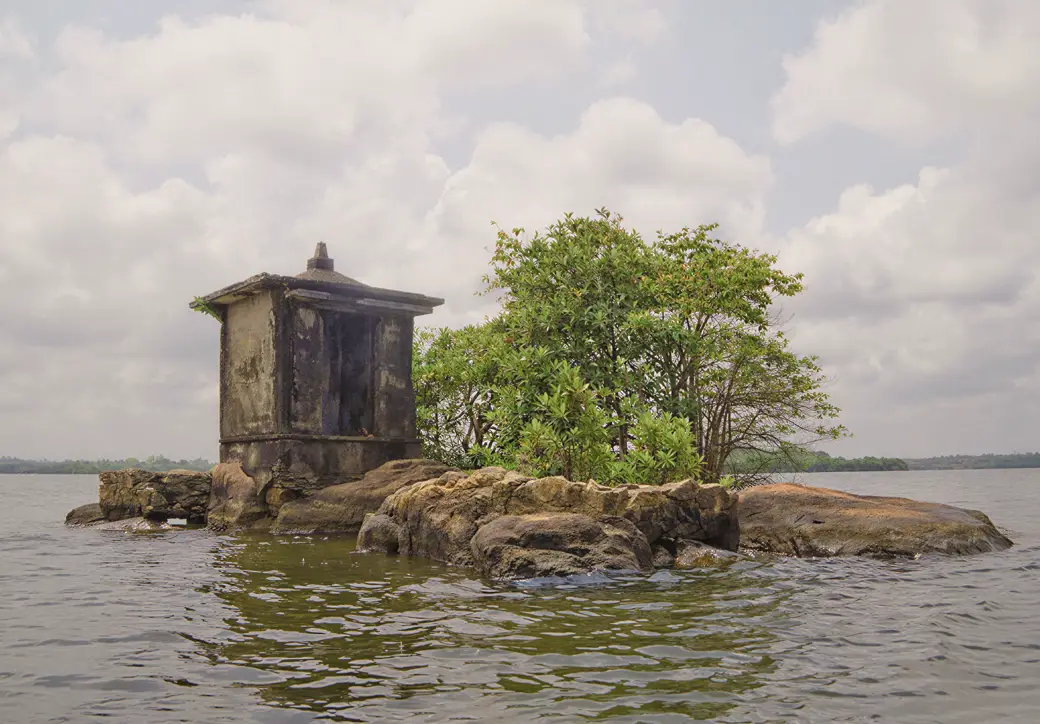
Named for its resemblance in size to an old five cent coin, this tiny islet holds a Hindu shrine dedicated to Ganesha and Skanda. It's a brief photo stop rather than a destination in itself, but it says something about how religiously mixed the communities around Madu Ganga are. Buddhist, Hindu and, further along the coast, Muslim and Christian communities have coexisted around this estuary for generations, and the small shrines scattered across the islands reflect that.
Cinnamon Island (Kurundu Duwa)
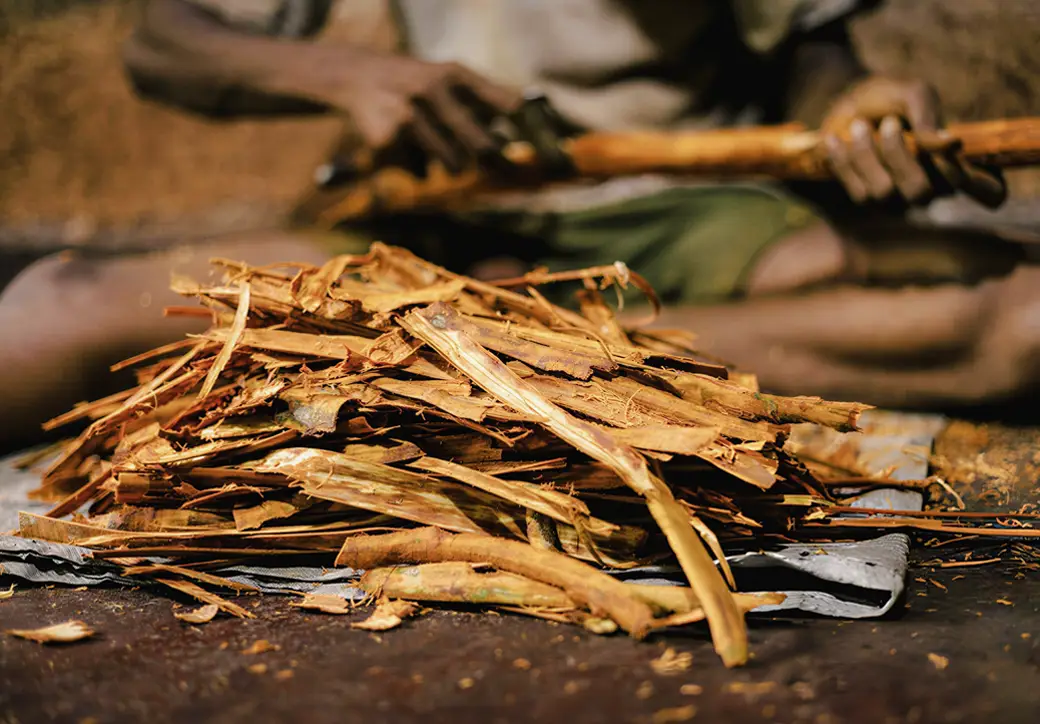
Sri Lanka produces close to 85 to 90 percent of the world's true Ceylon cinnamon, a spice trade that stretches back to the era of Dutch and later British colonial rule on the island. Cinnamon Island shows how it's actually made. Local families demonstrate the traditional process, cutting and peeling the inner bark from young cinnamon shoots and rolling it by hand into the tight quills sold internationally, and usually distil cinnamon oil on site. The industry today supports well over 70,000 smallholder families nationally and remains one of the country's top agricultural exports after tea. Fresh cinnamon is sold as a souvenir at the end of the demonstration, and it's noticeably better quality than most of what ends up in coastal gift shops elsewhere.
Special Bird Island
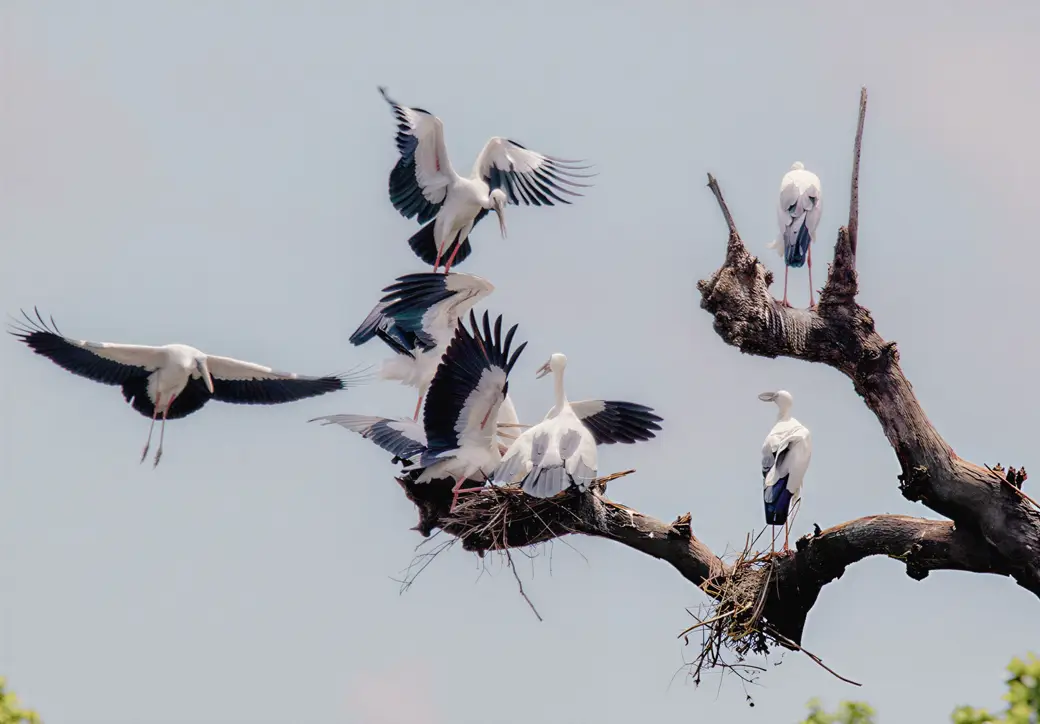
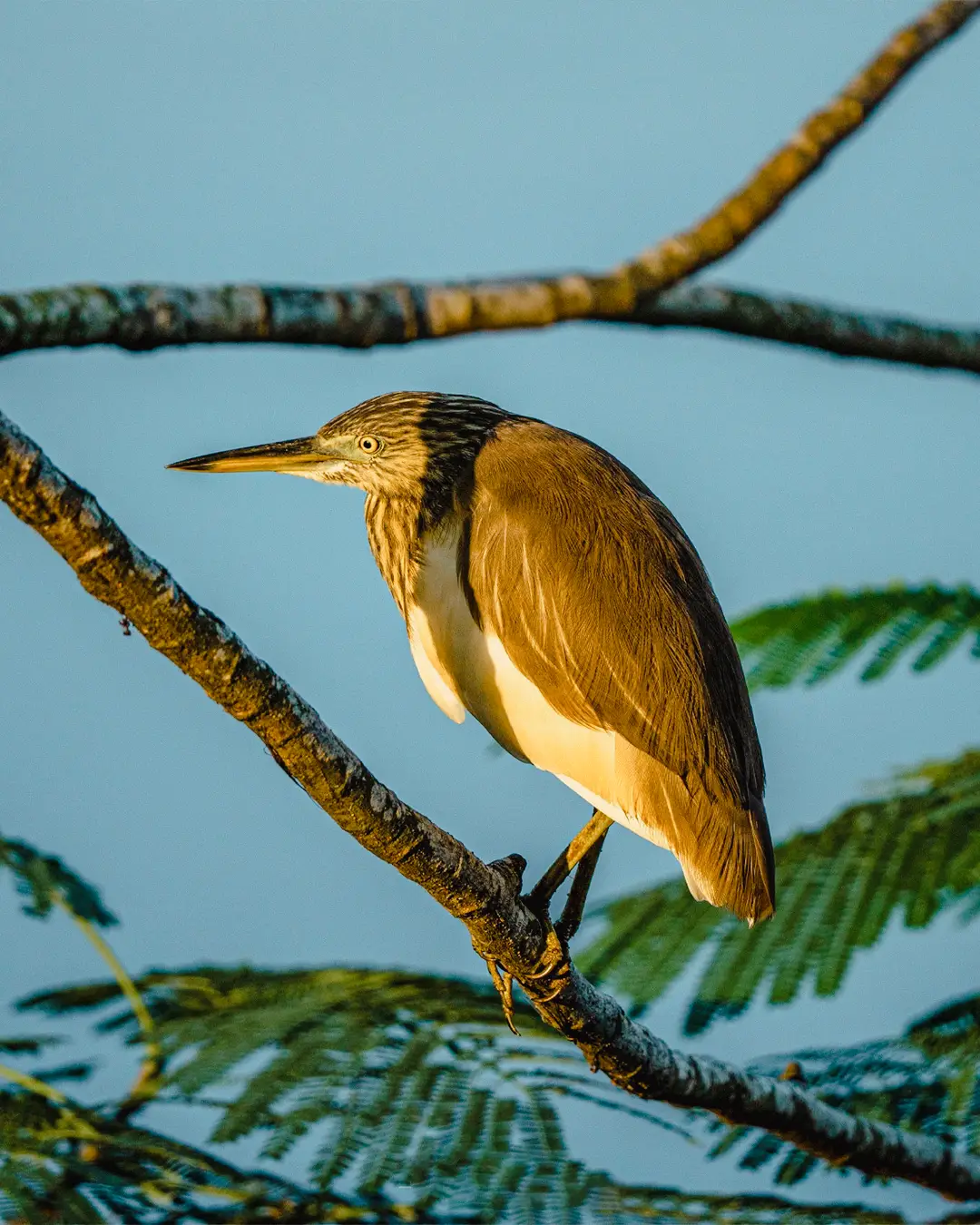
A dedicated stop for birdwatchers. Herons, cormorants and egrets roost here in large numbers, and late afternoon visits often line up with flocks returning to nest, a striking sight if your timing works with a sunset departure. Across the wetland as a whole, over 100 bird species have been recorded, including kingfishers and, less often, brown fish owls.
Fish Therapy (Natural Fish Spa)
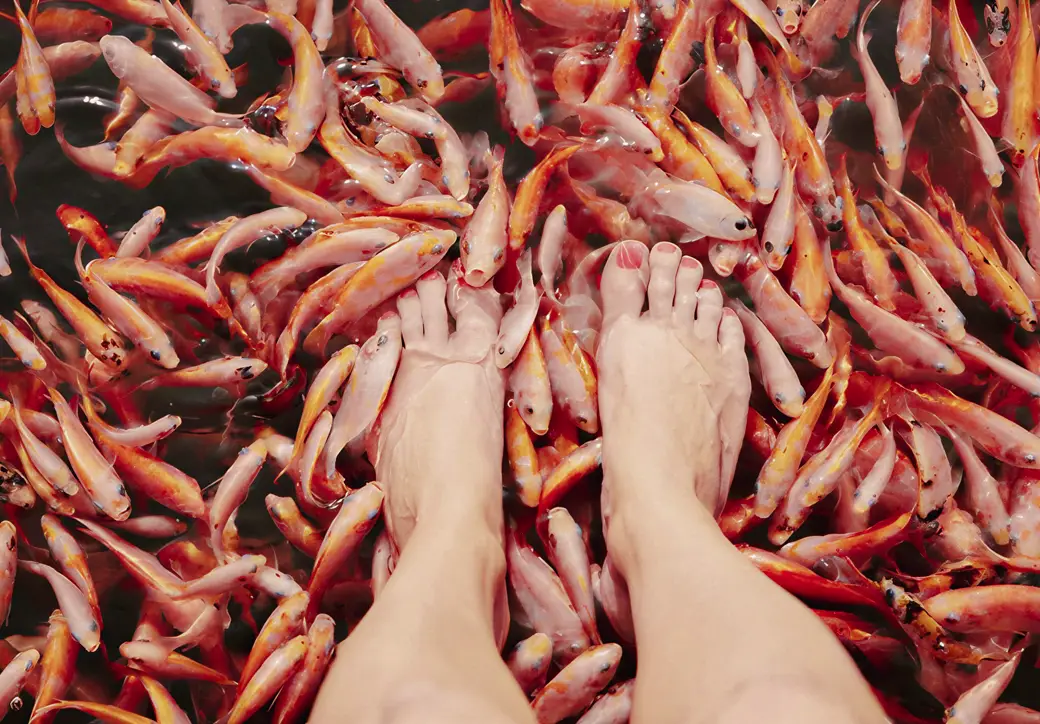
One of the more unusual stops. A floating platform where you dip your feet into the water and let small freshwater fish nibble away dead skin. It's entirely natural, involves no chemicals, and tends to be the stop people talk about most afterward. Some operators include it in the base price, others charge a small add on fee, so it's worth confirming beforehand. This style of open water fish therapy is a fairly recent addition to the Madu Ganga tourism circuit, adapted by local operators after similar concepts seen in Thailand and Vietnam.
Baby Crocodile Encounter
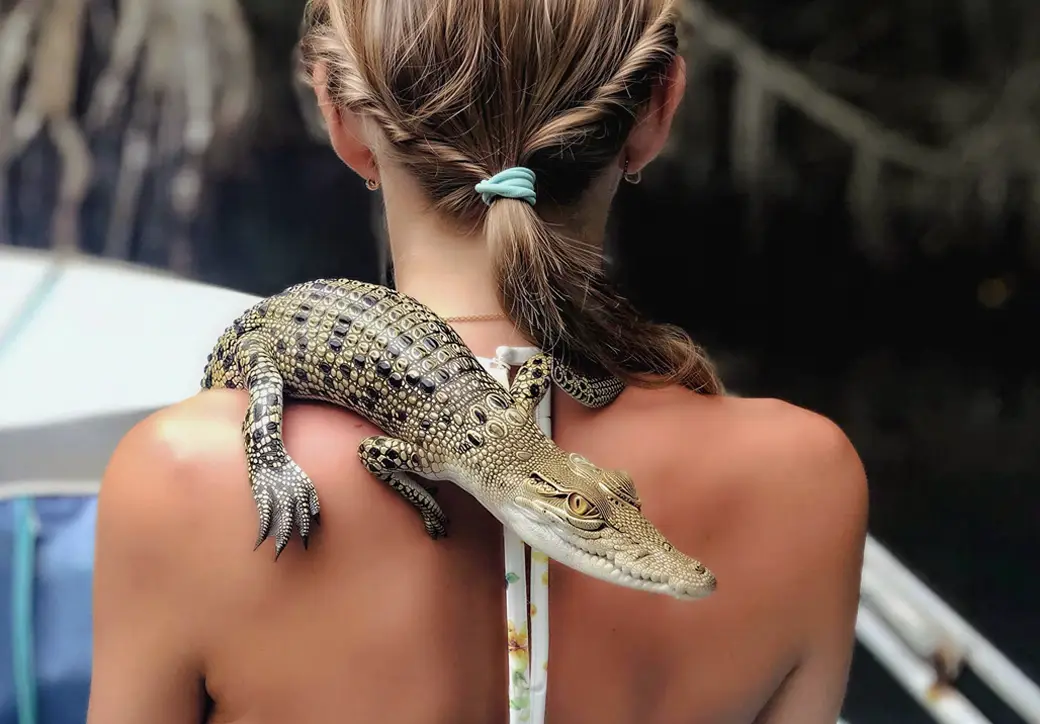
At a controlled stop, a local handler presents a young crocodile for visitors to hold and photograph under supervision. Worth noting this is separate from the wild population. Both mugger and estuarine (saltwater) crocodiles live in parts of the Madu Ganga estuary, but boats stick to established, monitored channels, and sightings of wild adults from the boat are rare.
Prawn Kraals and Traditional Fishing
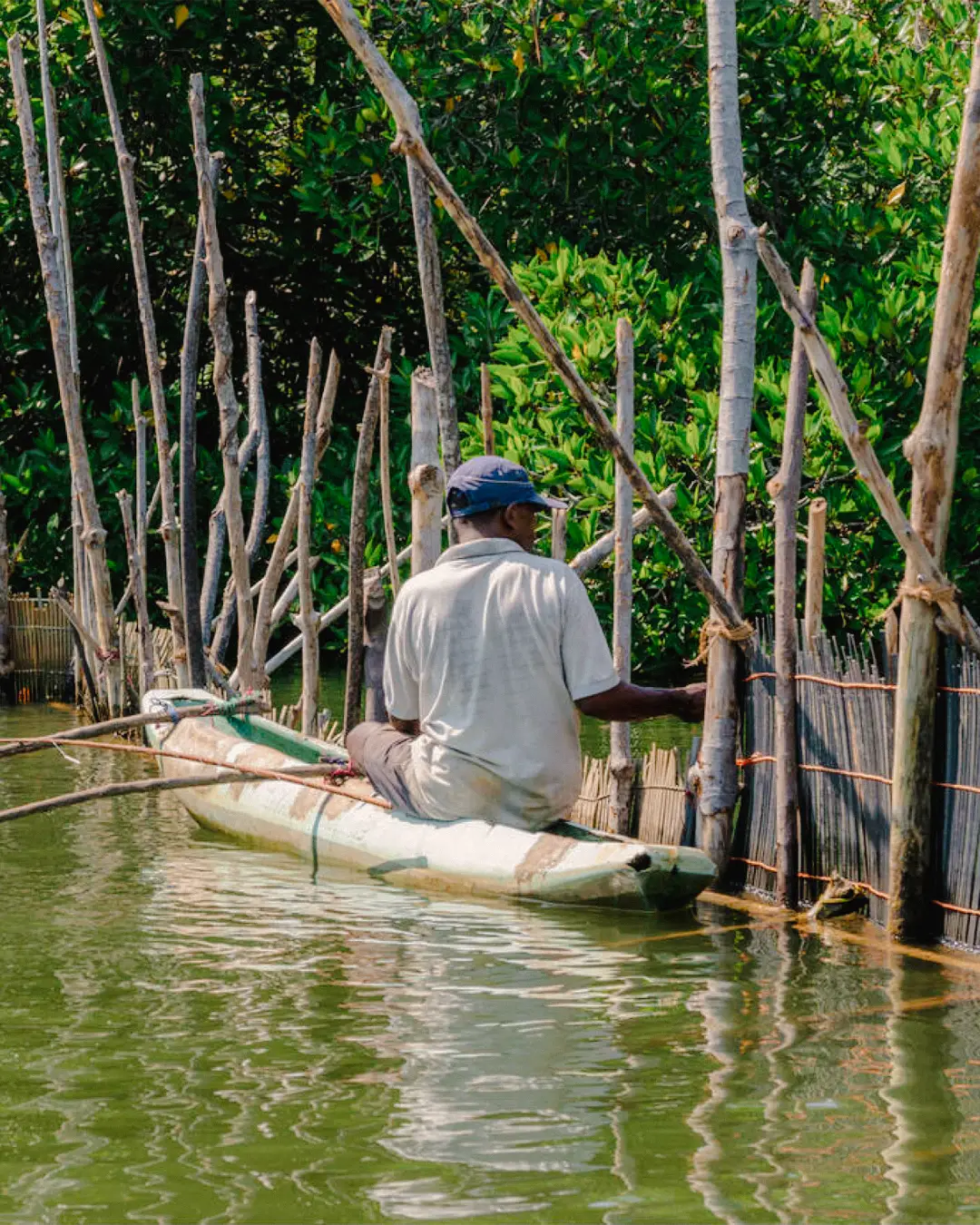
Along parts of the estuary you'll pass Ja Kotu, traditional bamboo prawn traps still used by local fishing families, alongside small scale shrimp farms that support the surrounding aquaculture economy. A small detail, but a reminder that Madu Ganga isn't only a tourist site. It's a working estuary that supports real livelihoods through fishing and small scale aquaculture, much as it has for generations.
Wildlife You're Likely to Spot
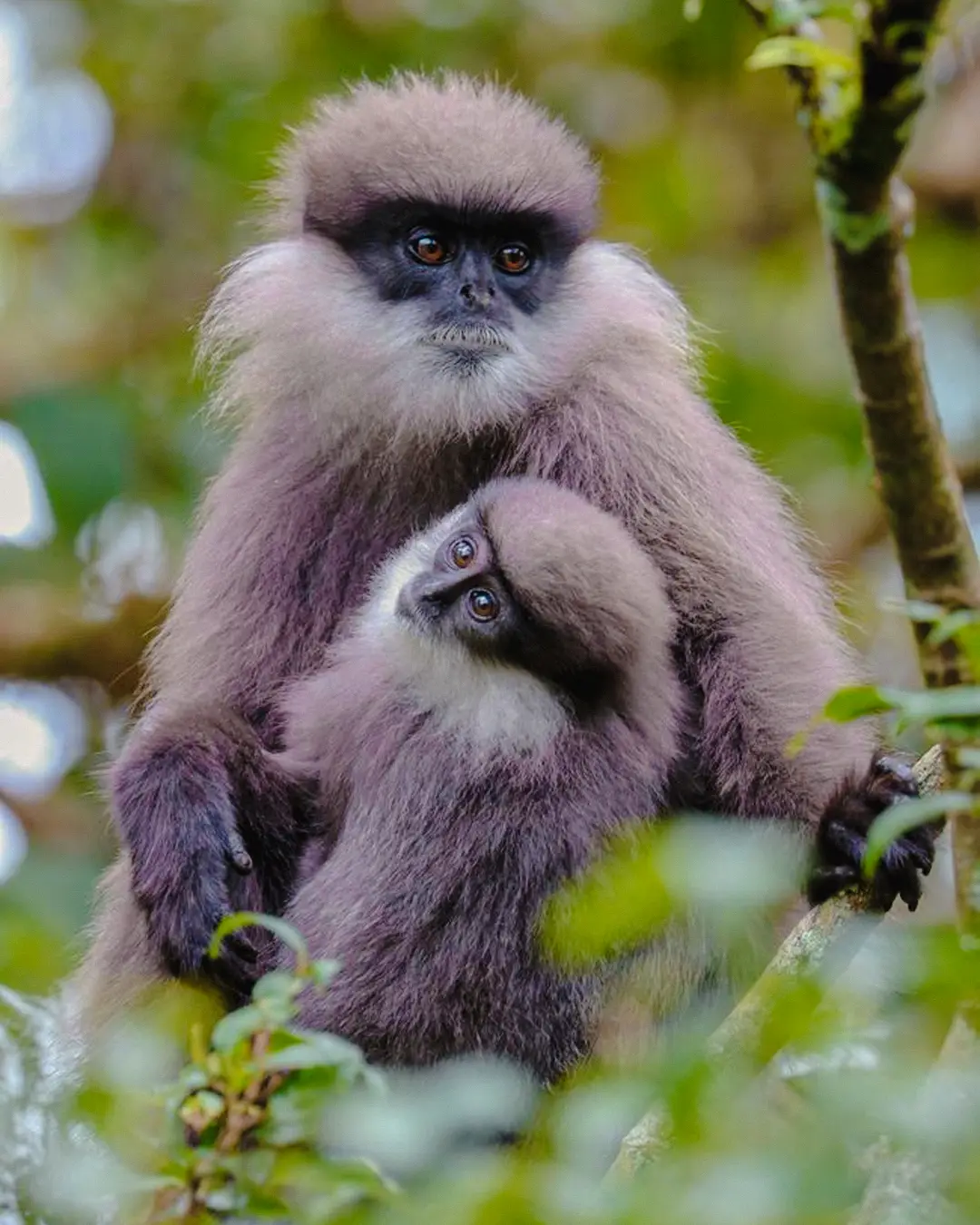
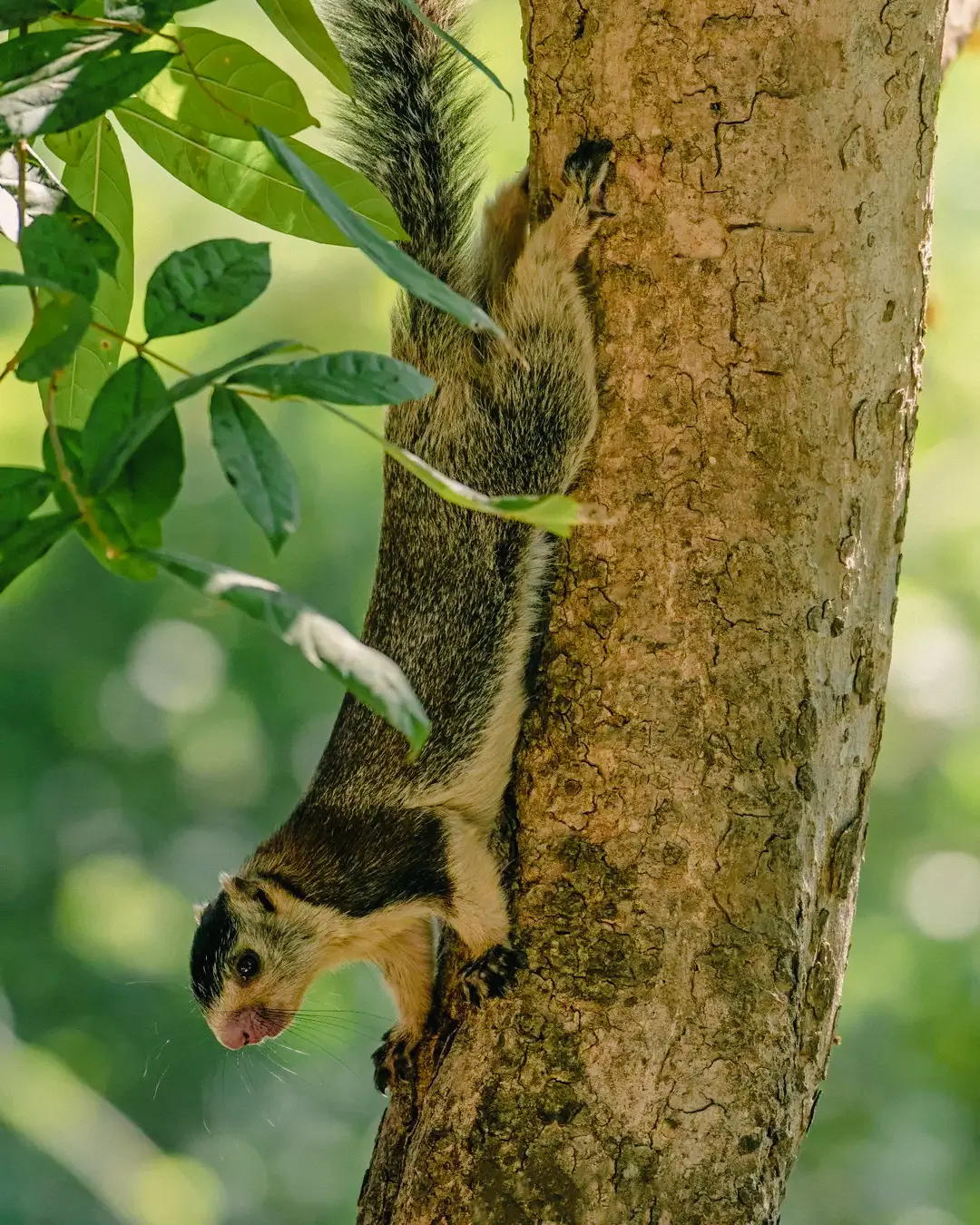
Beyond the dedicated stops, the ride itself is a moving wildlife tour. Keep an eye on the banks and root systems for water monitors basking in the sun, and look up into the canopy for purple faced langurs. Specifically, the population around Madu Ganga belongs to the southern subspecies (Trachypithecus vetulus vetulus, also classified as Semnopithecus vetulus vetulus), an animal endemic to Sri Lanka and listed as Endangered on the IUCN Red List. Related subspecies elsewhere on the island fare even worse, with the western purple faced langur classified as Critically Endangered and named among the world's 25 most endangered primates. Spotting one moving through the canopy here is a genuine wildlife sighting, not a staged photo opportunity.
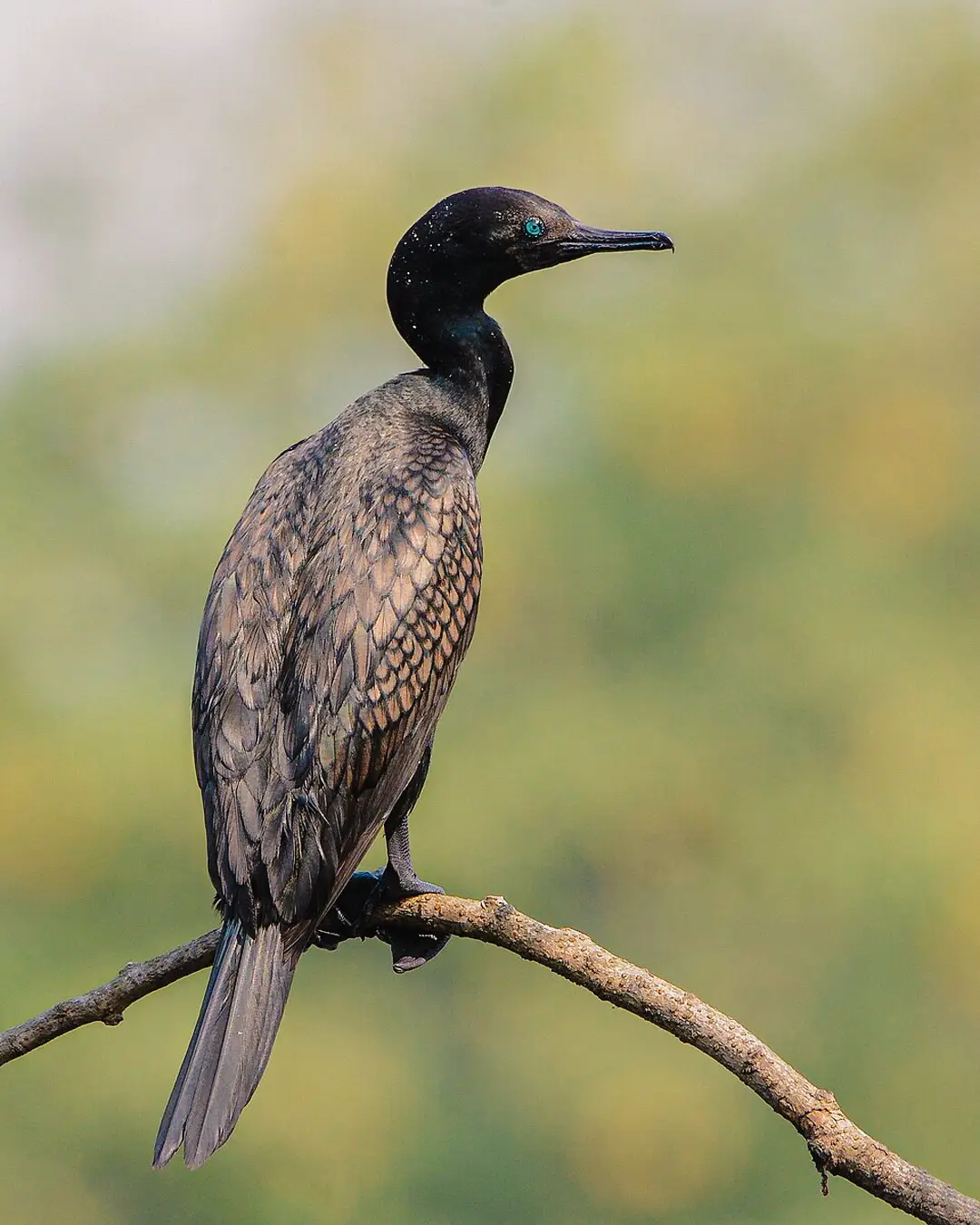
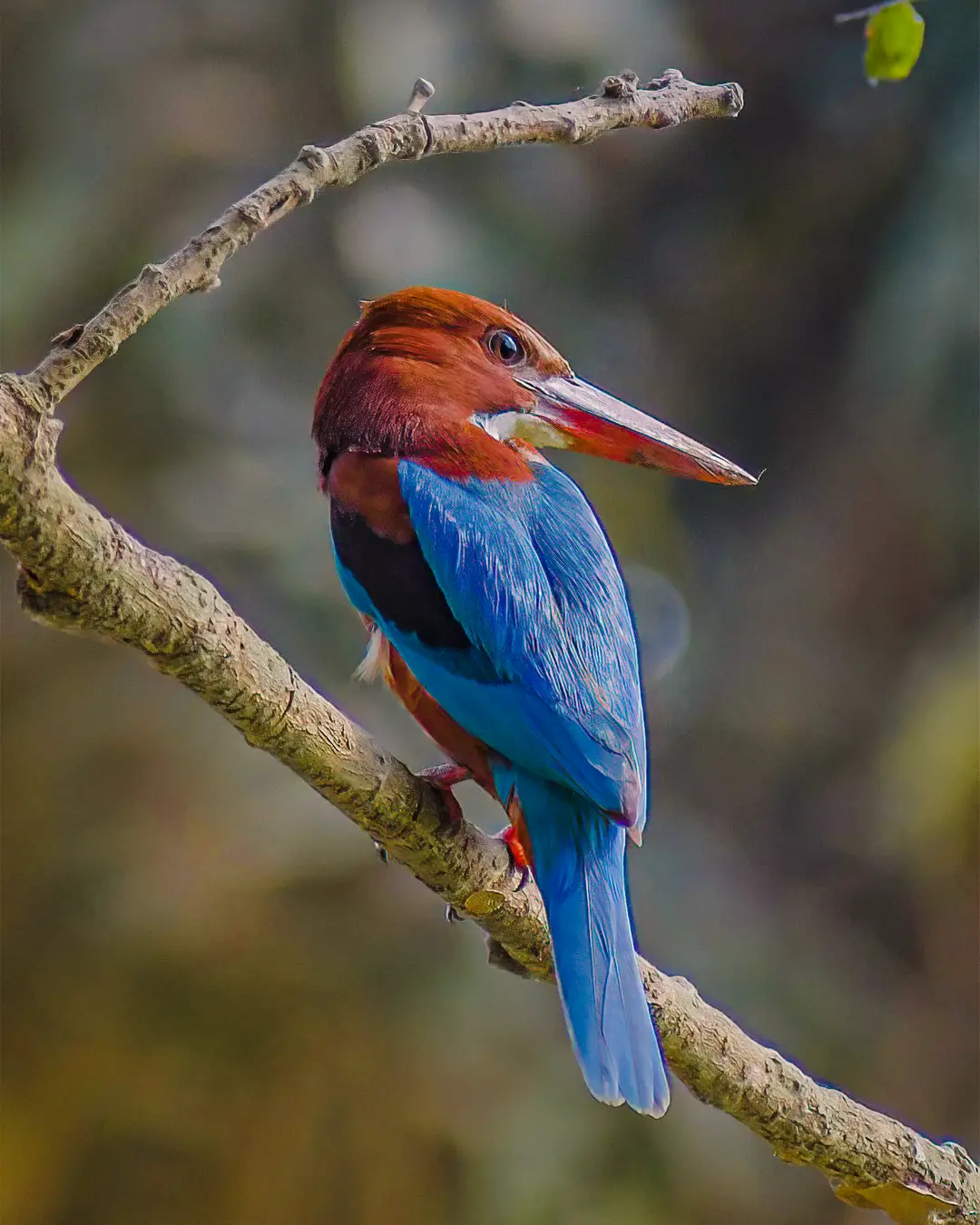
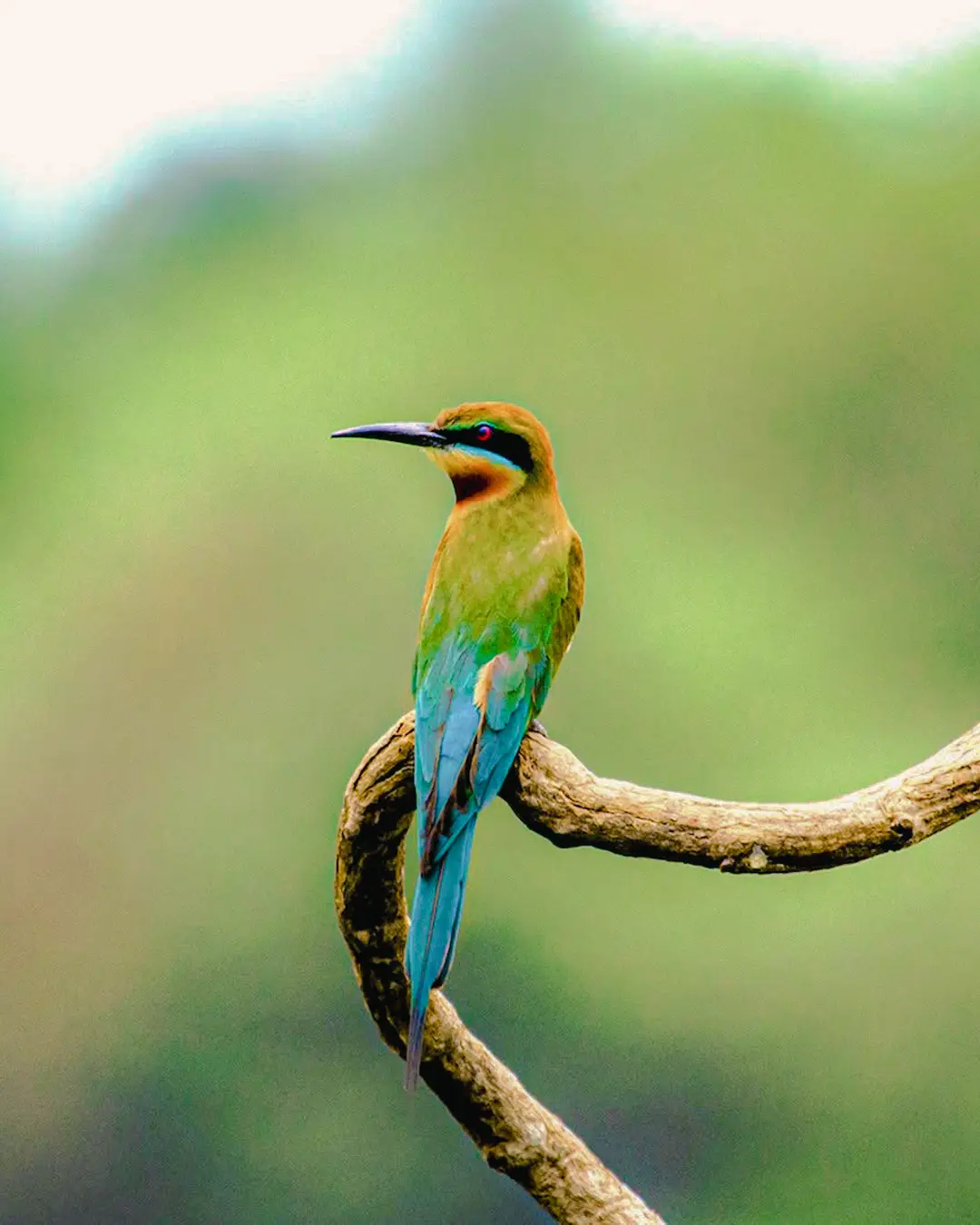
Kingfishers, herons, egrets and cormorants show up throughout the route, and the wetland's broader species list includes 31 recorded reptile species, 25 mollusk species and more than 50 species of butterflies. On still mornings, the water reflects the mangrove canopy almost like a mirror, one of the better photo opportunities on the whole south coast.
Madu River Boat Safari Price
Pricing varies depending on where you book and how the tour is structured. Booking a Madu River boat safari directly with a local operator instead of through a hotel desk is usually the difference between paying market rate and paying a markup.
Standard jetty or hotel booked tours run roughly LKR 8,000 to 16,000, about USD 25 to 50 per person, depending on duration, group size and whether the boat is shared or private. Most safaris last 1.5 to 3 hours. Combined tours that add Kosgoda Turtle Hatchery or a full day southern itinerary through Galle typically run higher, often USD 60 to 90 per person, since they include private transport, entry fees and a longer time commitment.
The fish therapy stop sometimes carries a small extra charge depending on the operator, but everything else along the core route is typically included in the base price. Rates can differ meaningfully between operators booking directly at the jetty and tours arranged through a hotel concierge, which usually carry a markup, so it's worth comparing a couple of options rather than booking the first boat you see.
Private vs Shared Boats
Shared boats bring the price down and work fine for solo travellers or couples happy to split a boat with others heading the same route. Private boats cost more but let you set your own pace, particularly useful for photographers who want to linger at Special Bird Island or families travelling with young children who need more flexible timing around stops.
Best Time to Visit
Madu Ganga can be visited year round, but conditions vary by season. November to April, the dry season, brings calmer water and more predictable schedules, generally the better window for a first visit. May to October, the southwest monsoon period, can bring occasional rain and wind that disrupt schedules or trigger short cancellations for safety.
Time of day matters just as much as season. Early morning departures bring cooler air and the highest wildlife activity, since birds and mammals are most active in the hours right after sunrise. Late afternoon departures bring warm light and birds returning to roost at Special Bird Island, along with calmer water that reflects the sky. Both are worth doing if you have time for more than one trip, and several operators run dedicated sunrise and sunset departures along the same core route for exactly this reason.
What to Wear and Bring
Light, breathable, quick dry clothing works best, since the humidity on the water can be higher than it feels on land. Bring a hat, sunglasses and reef safe sunscreen. Comfortable sandals that are easy to slip off help both on the boat and at the temple. Mosquito repellent is useful for brief island stops, particularly around the mangrove sections where insect activity picks up near dusk. A sarong or light cover up is worth carrying if you plan to enter the Kothduwa shrine room, along with a camera with reasonable zoom for wildlife shots and, ideally, a dry bag or waterproof pouch for phones and electronics.
Safety and Etiquette
Boat operators provide life jackets, and you should stay seated while the boat is moving, particularly when passing under low bridges or through tight mangrove tunnels. Because Madu Ganga is a protected Ramsar wetland, responsible visiting matters more here than at a typical attraction. Avoid littering, keep noise down around wildlife, don't feed animals, and choose operators who visibly maintain their boats and follow environmentally sound practices.
This isn't just etiquette advice for its own sake. The mangroves are already under real pressure. Kadol trees prized for their bark are being overharvested in places, and in some areas locals have illegally infilled sections of the lagoon with rubble to extend land, a problem documented most severely around the inhabited islands. The choices individual visitors and operators make, from which boats they choose to how they behave on the water, have a genuine cumulative effect on whether this ecosystem holds up for the next generation of visitors.
Combining Madu River with Nearby Attractions
Because of its position on the coastal highway, Madu Ganga fits naturally into a wider south coast day trip rather than standing alone.
Kosgoda Turtle Hatchery sits around 30 minutes from Balapitiya and is the most common pairing. Five of the world's seven marine turtle species nest on Sri Lanka's beaches, and the hatchery protects eggs through incubation before releasing hatchlings back into the ocean, with visitors often able to see and hold newly hatched turtles due for release.
Galle Fort, a UNESCO World Heritage Site roughly an hour south, pairs well with a full day itinerary that starts with the river safari in the morning and finishes with the Dutch colonial fort in the afternoon.
Bentota Beach and Kande Viharaya Temple sit close to Balapitiya as well, both easy additions if you're staying in the Bentota area and want to fill out a beach and culture day around the safari.
Several tour operators sell these as combined half day or full day packages, typically running USD 60 to 90 per person including private transport, though booking the river safari independently and arranging the rest yourself is usually cheaper if you have your own transport or are comfortable with tuk tuks and local taxis.
Who This Trip Suits
The safari's pace and structure make it work for a wide range of travellers. Families with young children benefit from the calm water and short stops, and crew are used to helping kids on and off the boat. Birdwatchers and photographers get the most out of early morning or sunset departures and often prefer a private boat to control timing at Special Bird Island. Couples and honeymooners tend to enjoy the quieter Kothduwa temple stop and the mirror like water on calm mornings. Older travellers and anyone with mobility concerns should find the boats manageable, though the temple visit does involve walking on uneven ground and removing shoes.
Frequently Asked Questions
How long does a Madu River boat safari take?
Most tours run between 1.5 and 3 hours, depending on the route and how many stops are included.
How much does it cost?
Expect to pay roughly LKR 8,000 to 16,000 (USD 25 to 50) per person through a standard jetty or hotel booking. Some direct operators offer it from around LKR 6,199. Combined tours with Kosgoda Turtle Hatchery or Galle typically run USD 60 to 90 per person.
Are there crocodiles in the river?
Yes, both mugger and saltwater crocodiles live in parts of the estuary, but tours follow established safe channels, and wild adult sightings from the boat are uncommon.
Is the safari suitable for children and older travellers?
Yes. The water is calm, boats are stable, and crew typically help with boarding and getting off.
What's the best time of year to go?
November to April offers the calmest conditions. The river is open year round, though the May to October monsoon can occasionally affect schedules.
How do I get to Balapitiya from Colombo?
By car via the Southern Expressway, allow roughly 1 hour 45 minutes to 2 hours. By train from Colombo Fort along the coastal line, expect around 1 hour 20 minutes to 1.5 hours.
Do I need to book in advance?
It's recommended, especially in peak season from December to March, to secure your preferred time slot.
Final Thoughts
Madu River doesn't need much dressing up to sell itself. A Ramsar protected mangrove estuary with 303 recorded plant species and 248 vertebrate species, an island temple with a real link to Sri Lanka's most sacred relic, a working cinnamon industry that supplies most of the world's true cinnamon, and enough birdlife to keep a photographer busy for an afternoon, all reachable in under two hours from Colombo. Whether you book through your hotel, a jetty operator, or a dedicated operator like Jaliya Boat Safari, the core experience, gliding through mangrove tunnels, stepping onto temple islands, and watching kingfishers work the shoreline, is one of the more memorable half days you'll spend on Sri Lanka's south coast.

Comments