Introduction to the Golden City’s Heart
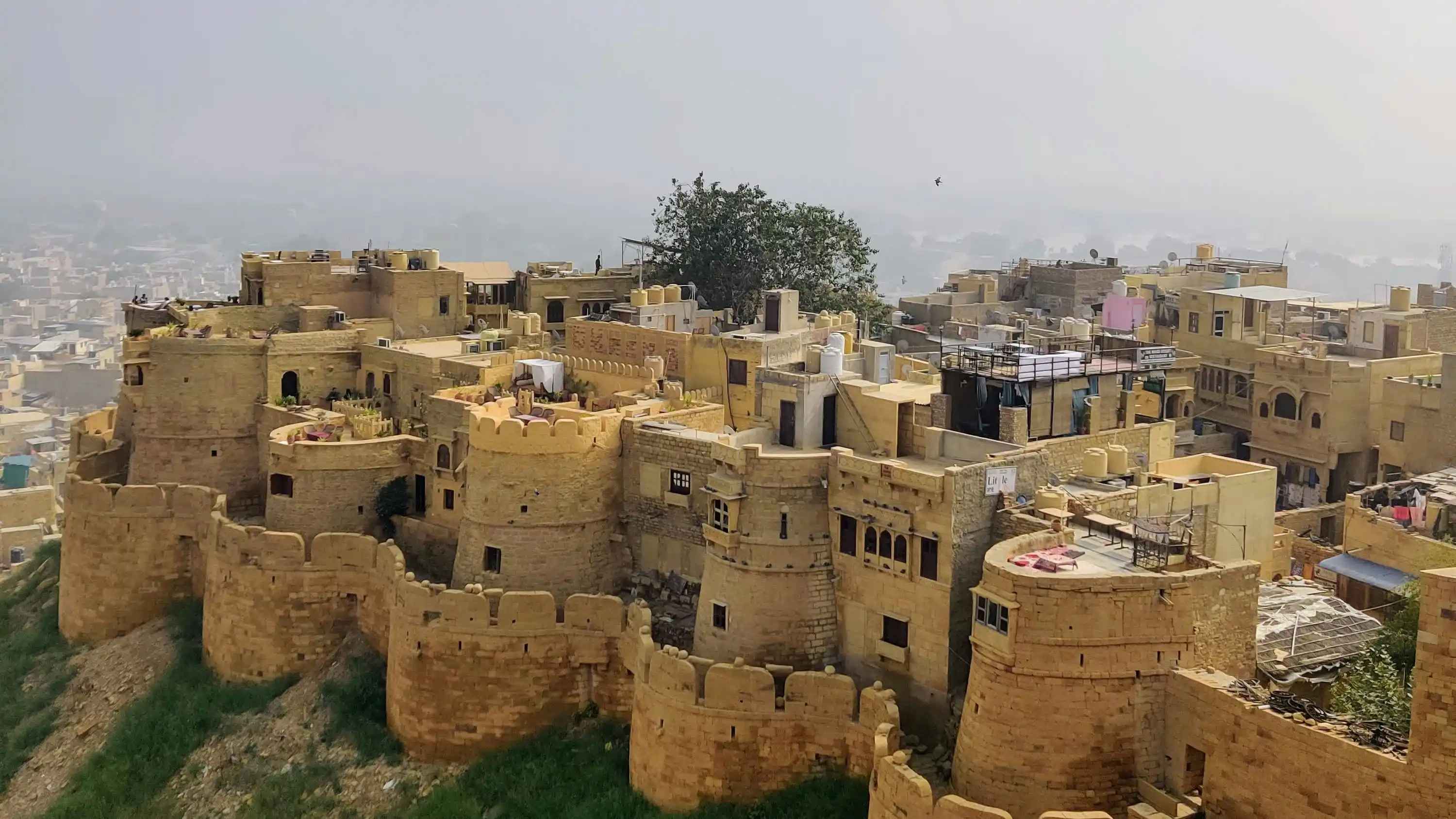
Jaisalmer, known as the Golden City, glows not just because of its yellow sandstone architecture but also because of the resilience and traditions of its people. Local families in Jaisalmer have lived for generations amidst the shifting sands, keeping alive cultural practices, oral histories, and crafts that form the backbone of the region’s identity. Their daily lives provide insight into how desert communities adapt, sustain, and flourish in one of India’s most unique landscapes.
Family Traditions Passed Through Generations
Family structures in Jaisalmer are traditionally joint, with elders guiding the younger generations. Oral storytelling remains a crucial part of evening gatherings, where grandparents narrate folk tales of Rajput valour, desert spirits, and camel caravans. These stories are not only entertainment but also moral lessons and a record of the past. Celebrations such as weddings or festivals like Gangaur and Teej still involve extended kin, where each family member plays a specific role, ensuring traditions are upheld.
Everyday Life in the Desert Environment
Life in the Thar Desert requires careful adaptation. Families typically wake early to make use of the cooler hours. Women often manage household activities, fetching water from local wells, preparing rotis on open flames, and crafting garments with mirror work. Men engage in animal rearing, agriculture adapted to arid conditions, and trade in local markets. Children attend schools in nearby towns but also contribute to daily chores, ensuring that desert life is sustained through cooperation.
The Role of Food in Family Identity
Meals in Jaisalmer homes are deeply tied to tradition and environment. Dishes like bajre ki roti, ker sangri, and dal baati churma are staples, each reflecting the desert’s resources. Preparing these meals is often a family affair, with recipes passed down through generations. Seasonal foods such as raab (a millet-based drink) highlight how families adapt diets to withstand heat and limited water supply. Through these dishes, families not only nourish themselves but also preserve cultural memory.
Handicrafts and Artisan Families
Jaisalmer is renowned for its handicrafts, from intricate embroidery to leather goods. Many families sustain themselves through these crafts, working from their homes or small workshops. Skills such as weaving rugs, carving stone, or creating puppet figures are learned during childhood. The sale of these crafts supports livelihoods while showcasing the creativity of desert communities. For visitors, purchasing such items is not just acquiring a product but also taking home a piece of Jaisalmer’s heritage.
Folk Music and Storytelling Traditions
Music forms an essential part of family gatherings. Instruments like the kamaycha and dholak are often played by hereditary musician families, whose songs recount legends of kings, battles, and desert journeys. These performances are not staged shows alone but continue in courtyards and community spaces. Children grow up hearing these rhythms, ensuring the continuity of Jaisalmer’s distinctive soundscape. Folk musicians are respected as carriers of memory, preserving history in ways written records cannot.
Adaptations to Harsh Desert Conditions
Families in Jaisalmer demonstrate resilience in adapting to limited water, scorching summers, and cold nights. Homes are built with thick sandstone walls that regulate temperature. Roof terraces are used for sleeping under the stars during hot months. Rainwater harvesting is practiced traditionally through tanks called tankas, ensuring storage for dry periods. Such practices, rooted in generational knowledge, highlight how communities survive without overexploiting scarce resources.
Education and Changing Family Aspirations
While traditional life continues, education has become a major priority. Families encourage children to pursue studies in Jaisalmer town or nearby cities. Many aspire for careers beyond the desert, yet remain connected to their roots through annual festivals or visits. This balance between modern aspirations and traditional identity shows how families navigate continuity and change. Women’s education, in particular, has seen progress, with more girls attending schools and colleges, marking a shift in social dynamics.
Festivals and Community Ties
Festivals in Jaisalmer are collective experiences that bring families together. During Diwali, courtyards are lit with lamps, while Holi fills the air with colours. Desert Festival, though more public, is still rooted in local traditions, with families preparing special foods and wearing traditional attire. These celebrations reaffirm community ties and offer children a chance to learn customs in active practice. Festivals also highlight the role of kinship, where neighbours are considered extended family.
Family Perspectives on Tourism
For many families, tourism has become part of everyday life. Locals often share cultural experiences with visitors, such as folk performances, camel rides, or storytelling sessions. Some households are directly engaged in hosting guests in desert stays, while others provide crafts and performances. Visitors gain a chance to understand how real families live, far beyond the usual tourist circuits. A glimpse into local lives allows for more meaningful interactions between cultures.
The Symbolism of Desert Homes
Family homes in Jaisalmer are more than dwellings—they embody heritage. From havelis with carved facades to modest mud homes, each tells a story of adaptation and artistry. Inner courtyards function as communal areas where meals are shared, weddings are celebrated, and music is performed. Even in modern settings, these courtyards remain the soul of family interaction. Architecture here blends practicality with aesthetics, ensuring families stay rooted in tradition while adapting to changing times.
The Desert as a Shared Legacy
Families in Jaisalmer often describe the desert not as a hardship but as an inheritance. The sands are tied to memories of ancestors, festivals, and survival practices. From camel herding routes to folk tales of desert spirits, the environment is inseparable from identity. Families pass this view on to younger generations, ensuring that the desert remains a source of pride and continuity rather than just a backdrop.
Connection to Contemporary Hospitality
Modern hospitality in Jaisalmer often intersects with traditional family ways of life. Staying in a Desert Camp in Jaisalmer provides insights into how families have historically adapted to the desert. Similarly, experiences like resting in a Luxury tent in Jaisalmer reflect continuity between traditional desert shelters and modern comforts. Both serve as bridges, allowing visitors to experience elements of local family life in authentic yet accessible ways.
Conclusion: Living Stories of Jaisalmer
The families of Jaisalmer embody the spirit of endurance, creativity, and tradition. Their lives, rooted in the desert yet open to change, ensure that the Golden City remains more than just a destination—it is a living culture. By understanding their stories, one gains a deeper appreciation of how heritage continues to thrive in everyday practices, meals, music, and family bonds. These diaries of desert life are not just about the past but also about the ongoing journey of a community that continues to define Jaisalmer’s golden glow.

Comments