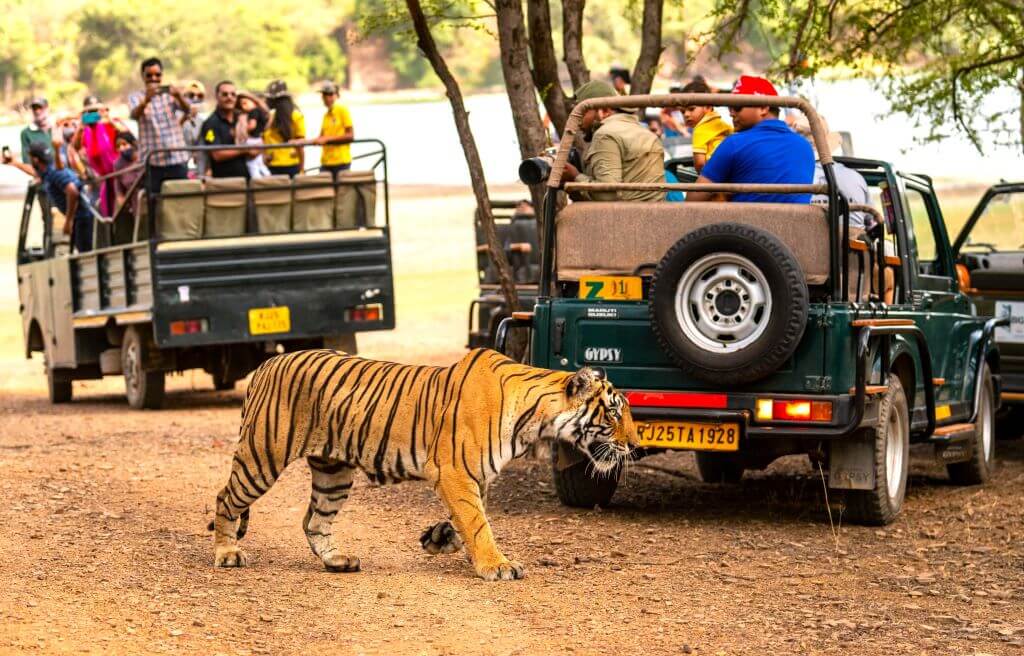
India is home to the largest population of wild tigers on the planet. Visit India Safari Tours and you are not limited to Ranthambore when you want that heart‑stopping first glimpse of stripes in the jungle. If you are planning a wildlife‑focused journey and wondering where to see tigers outside Rajasthan, three parks consistently deliver outstanding sightings and immersive jungle experiences: Jim Corbett National Park in Uttarakhand, Bandhavgarh National Park in Madhya Pradesh, and Kanha National Park, also in Madhya Pradesh. Each reserve has its own personality, landscape, and safari style, which means you can choose the park that matches your travel style or combine them into one unforgettable central India or Himalayan wildlife circuit.
Why Look Beyond Ranthambore?
Ranthambore is famous, crowded, and heavily photographed, but India’s tiger story stretches far beyond its forts and dry forests. By exploring Corbett, Bandhavgarh, and Kanha, you:
Spread your safari time across different habitats, from sal forests and rivers to meadows and bamboo thickets.
Increase your chances of tiger encounters over multiple parks and zones.
Enjoy quieter safaris in less commercial zones, especially in central India.
Support conservation efforts and local communities in several landscapes instead of just one.
Quick Overview: Three Top Tiger Reserves
Jim Corbett National Park: Tigers in the Himalayan Foothills

Jim Corbett National Park is India’s oldest tiger reserve and sits in the scenic foothills of the Himalayas, where rivers, thick sal forests, and rolling grasslands create a dramatic backdrop for wildlife. The park protects a rich mix of animals and birds, and offers day safaris as well as coveted night stays in forest rest houses inside core zones.
Best Zones for Tiger Sightings in Corbett
Corbett is divided into distinct tourism zones, each with its own character and safari rules. While tiger sightings are never guaranteed, some zones have a particularly strong reputation among regular visitors and guides.
Key safari zones in Corbett include:
Dhikala Zone – Large grasslands along the Ramganga River, classic big‑view landscapes, good chances of tiger and elephant encounters.
Bijrani Zone – Beautiful sal forests and open clearings, very popular among photographers and often recommended for tiger sightings.
Jhirna and Dhela Zones – Open year‑round, good for sloth bears, deer, and occasional tiger sightings.
Durgadevi and Sitabani Zones – Hillier terrain and birding hotspots, rewarding for those who enjoy forest ambience along with big cats.
Safaris in these zones run in two shifts per day, with a limited number of vehicles allowed in each zone to protect the ecosystem and control traffic.
Top Highlights & Experiences in Corbett
Tiger tracking along riverbeds and grasslands with expert drivers and guides.
Atmospheric stays in forest rest houses inside the reserve, particularly in Dhikala.
Elephant sightings, deer herds, crocodiles, and rich birdlife including raptors and riverine species.
Scenic drives through dense sal forests with dramatic mountain backdrops.
Educational safaris that emphasise conservation and responsible tourism in an ecotourism setting.
Inclusions & Exclusions in a Typical Corbett Tiger Package
Common inclusions
Park entry permits for the chosen safari zones.
Shared or private jeep safaris with registered vehicles only (private vehicles are not allowed inside).
Services of a trained naturalist or government guide on every safari.
Accommodation in a lodge near the park or in forest rest houses, subject to availability.
Basic meals at the lodge, often on a full‑board basis depending on package.
Common exclusions
Camera, video, and conservation fees levied by the forest department, if applicable.
Personal expenses such as tips, drinks, and laundry.
Transport to and from Corbett (rail, road, or flight connections).
Travel insurance and any medical costs.
Optional activities like additional birding walks or extended safaris, where not specified.
Bandhavgarh National Park: High Tiger Density in Central India

Bandhavgarh National Park in Madhya Pradesh is one of India’s premier destinations for regular tiger sightings thanks to its high big‑cat density and compact tourism zones. The park is known for its dramatic hill‑fort skyline, bamboo and sal forests, and open meadows where tigers often appear near waterholes in the warmer months.
Zones with the Best Tiger Sightings in Bandhavgarh
Bandhavgarh is divided into three main tourism zones, each with slightly different landscapes and sighting patterns.
Tala Zone – The oldest and most famous zone, long considered the prime area for tigers due to a historically high density and iconic individuals.
Magadhi Zone – Rich biodiversity, good water sources, and strong chances of tiger encounters, especially around meadows and ponds.
Khitauli Zone – Scenic forest, mixed wildlife, and opportunities to spot tigers alongside other mammals and birds.
A 105 square kilometre area open to tourism has supported over twenty tigers at times, giving Bandhavgarh one of the highest known densities of Bengal tigers in India.
Best Time to Visit Bandhavgarh for Tigers
While Bandhavgarh remains popular across the season, summer months are particularly productive for tiger sightings, when big cats frequently visit shrinking water sources and are easier to see in more open vegetation. Morning and late‑afternoon drives maximise your chances, as tigers tend to be more active during cooler hours.
Top Highlights & Experiences in Bandhavgarh
High probability of seeing tigers thanks to the dense population in compact tourism zones.
Photogenic landscapes with hills, ruins, and forest backdrops that frame wildlife beautifully.
Encounters with leopards, various deer species, and rich birdlife alongside tiger tracking.
A sense of history, with stories of famous tigers and the legacy of the Bandhavgarh fort.
Summer safaris focused on waterholes, where wildlife congregates in the heat.
Inclusions & Exclusions in a Typical Bandhavgarh Safari Package
Common inclusions
Park entry permits for Tala, Magadhi, or Khitauli zones, as per your booking.
Morning and afternoon jeep safaris with registered vehicles and official guides.
Accommodation in a wildlife lodge near one of the main gates.
Meals on a full‑board plan during your stay, including tea or coffee around safaris.
Basic transfers between lodge and park gates for your scheduled drives.
Common exclusions
Exact zone choice is often subject to availability and must be confirmed with permits.
Camera and conservation fees, which can be additional at the time of entry.
Transport between Bandhavgarh and your previous or next destination.
Optional add‑ons such as village visits or extended birding excursions.
Personal expenses, tips, and comprehensive travel insurance.
Kanha National Park: Classic Meadows and Forest Tiger Country
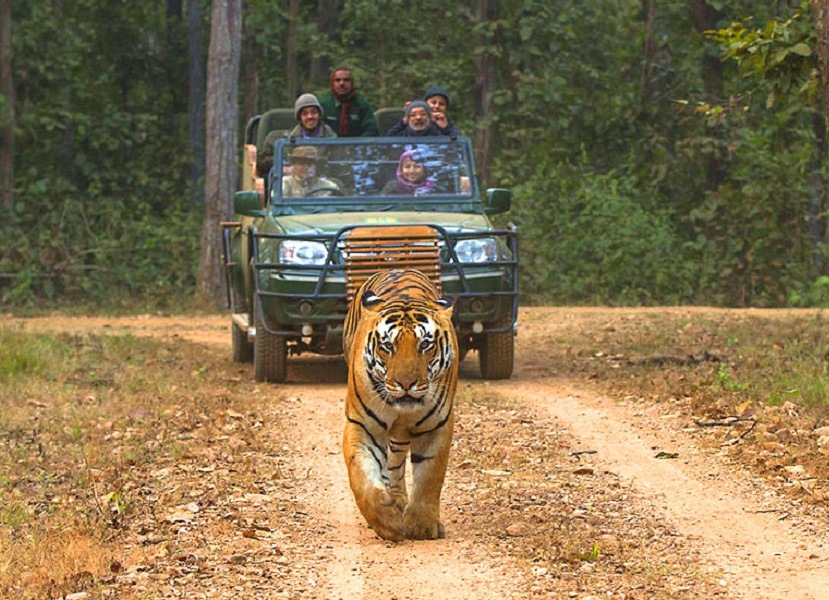
Kanha National Park is one of India’s most iconic tiger reserves, with sweeping meadows, tall sal trees, and thick bamboo that inspired classic wildlife writing. The park is part of a wider tiger landscape and is known for both its healthy big‑cat population and its thriving herbivore herds.
Best Safari Zones in Kanha for Tigers
Kanha is divided into core and buffer zones, accessed through a limited number of entrance gates, and each zone supports a slightly different style of safari.
Core zones in Kanha include:
Kanha Zone – One of the most sought‑after areas, with open meadows and forest where tigers, barasingha, and other wildlife often appear.
Mukki Zone – Very popular for tiger sightings and scenic drives, accessed via Mukki and Khatia gates.
Kisli Zone – Mix of forest and meadows, good for a broad wildlife experience.
Sarhi Zone – Less crowded, with tranquil forest tracks and good chances for varied fauna.
Buffer zones like Khatia, Sijhora, Phen, and Khapa provide additional safari opportunities and help spread tourism pressure beyond the core.
Safari Experience and Activities in Kanha
Most visitors explore Kanha by open jeep on guided game drives, either at sunrise or in the afternoon. Safaris typically last around three to four hours and allow time to track fresh pugmarks, listen for alarm calls, and wait quietly near meadows or waterholes.
Top Highlights & Experiences in Kanha
Classic jeep safaris through meadows and forest, famous for tiger sightings in zones like Kanha and Mukki.
Opportunities to see barasingha (swamp deer) along with other herbivores such as sambar and gaur.
Expert local naturalists who understand the park’s terrain and animal behaviour in detail.
Scenic landscapes that are particularly beautiful in soft morning and evening light.
Occasional night safari options in designated areas, booked in advance at the gate.
Inclusions & Exclusions in a Typical Kanha Tiger Package
Common inclusions
Entry permits for core or buffer zones such as Kanha, Mukki, Kisli, or Sarhi.
Morning and afternoon jeep safaris with professional naturalists and drivers.
Accommodation in a jungle lodge near the main entrance gates.
Daily meals, often including packed refreshments for safaris.
Basic transfers between your lodge and the appropriate safari gate.
Common exclusions
Exact gate or zone allocations, which are always subject to availability.
Camera fees, park surcharges, and any night safari supplements.
Long‑distance transfers from other cities or parks.
Personal expenses, extra activities, and tips for lodge staff and guides.
Comprehensive insurance and any emergency medical support.
How to Choose Between Corbett, Bandhavgarh, and Kanha
If you have limited time, it makes sense to focus on one or two reserves that match your interests and travel season. Use the simple guide below to help you decide.
Choose Jim Corbett if you:
Want a classic Himalayan foothill setting with rivers and forests.
Prefer combining wildlife with nearby hill stations or other Uttarakhand attractions.
Like the idea of forest rest houses and river landscapes.
Choose Bandhavgarh if you:
Prioritise high chances of tiger sightings in compact zones.
Enjoy dramatic scenery with hills, ruins, and dense forest.
Can handle hotter temperatures during the best summer sighting months.
Choose Kanha if you:
Want classic central Indian meadows and forest vistas.
Prefer a balance of tigers, herbivores, and scenic drives.
Plan to pair your visit with other central India parks such as Pench or Bandhavgarh.
Practical Tips for Planning Your Tiger Safari
Book safaris and park permits well in advance, especially in popular zones like Dhikala, Tala, Kanha, and Mukki.
Travel in the core tiger season (roughly October to June) and consider hotter months if sightings are your top priority.
Stay at least three to four nights in each park to allow multiple safaris and better chances of tigers.
Be flexible with zones, as allocations depend on availability and park regulations.
Always follow park rules, maintain silence at sightings, and respect distance from wildlife.

Comments