India is blessed with one of the richest biodiversities in the world. From the snow-capped Himalayas to the dense forests of Central India and the wetlands of Assam, the country offers unparalleled opportunities for wildlife exploration. Jungle safaris in India aren’t just about spotting animals—they’re about immersing yourself in nature, experiencing cultural richness, and witnessing the raw beauty of the wild.
Whether you’re dreaming of locking eyes with the majestic Bengal tiger, watching herds of elephants in their natural habitat, or spotting the rare one-horned rhinoceros, India’s national parks and wildlife sanctuaries make it all possible. Each safari promises a different adventure, with unique landscapes, local traditions, and incredible flora and fauna.
If you’ve ever wondered where to go for the best jungle safari in India, here’s a carefully curated list of the top 10 destinations that promise once-in-a-lifetime experiences.
1. Ranthambore National Park – Land of the Royal Bengal Tigers
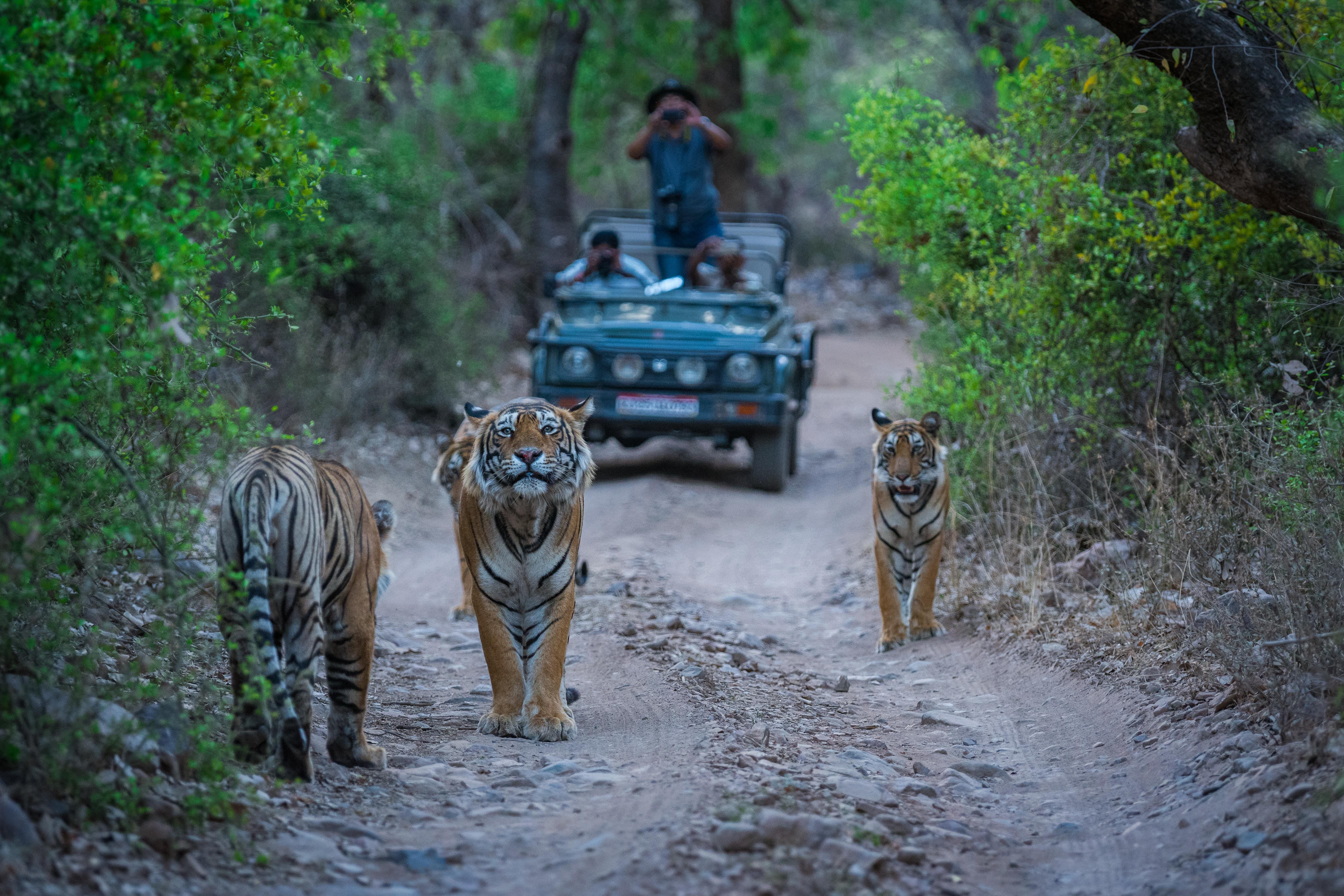
Located in Rajasthan, Ranthambore is one of the most iconic tiger reserves in India. Its dramatic landscape, dotted with ancient forts and lakes, sets the perfect backdrop for thrilling tiger sightings. Ranthambore is known for its relatively higher chances of spotting tigers in the wild, thanks to its open terrain and rich prey base.
Best Time to Visit Ranthambore
The best months are October to April, when the weather is pleasant and animals are most active. Summer (May–June) is also great for tiger sightings near waterholes, though it gets very hot.
Safari Options in Ranthambore
Jeep Safari (6-seater) – Ideal for photography and a more personal experience.
Canter Safari (20-seater) – Budget-friendly option, good for group tours.
Both morning and evening safaris are available, and it’s advisable to book in advance.
2. Jim Corbett National Park – India’s Oldest Tiger Reserve
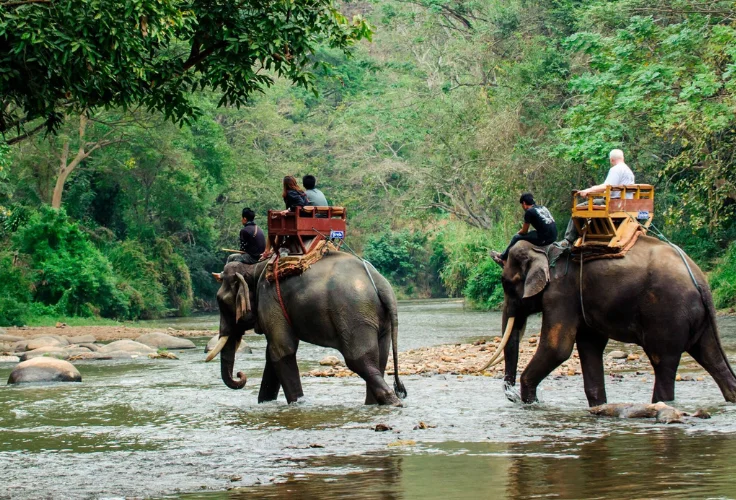
Established in 1936, Jim Corbett in Uttarakhand is India’s first national park and part of the Project Tiger initiative. Spread over 520 sq. km, Corbett is a haven for tigers, elephants, leopards, and more than 600 bird species.
Unique Wildlife Species in Corbett
Apart from tigers, you can spot gharial crocodiles, wild elephants, sloth bears, and migratory birds during winter.
Safari Zones and Entry Gates
Jim Corbett is divided into different safari zones like Dhikala, Bijrani, Jhirna, and Dhela. Dhikala is the most popular, offering the best chance of tiger sightings and even overnight stays inside the park.
3. Bandhavgarh National Park – Highest Tiger Density in India
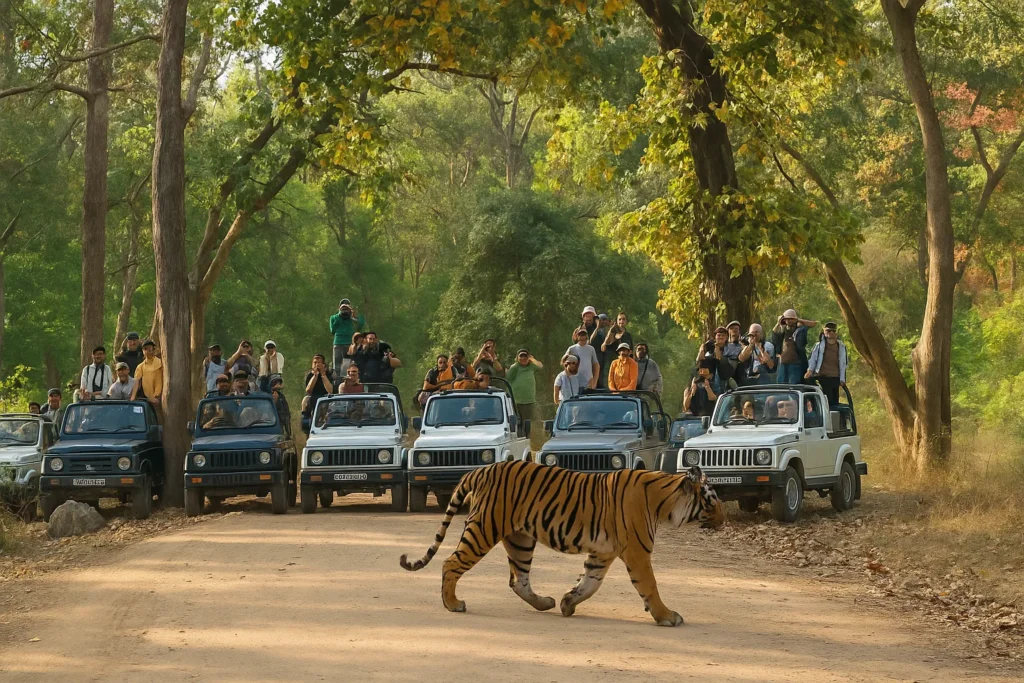
Nestled in Madhya Pradesh, Bandhavgarh is a top contender for the best jungle safari in India because it boasts the highest density of Bengal tigers. The park also has a fascinating history, with ancient caves and Bandhavgarh Fort hidden deep within the forest.
Historical Ruins Inside Bandhavgarh
You’ll come across age-old caves with inscriptions and statues, offering a peek into the region’s past civilisations while you track tigers.
4. Kanha National Park – Inspiration Behind The Jungle Book
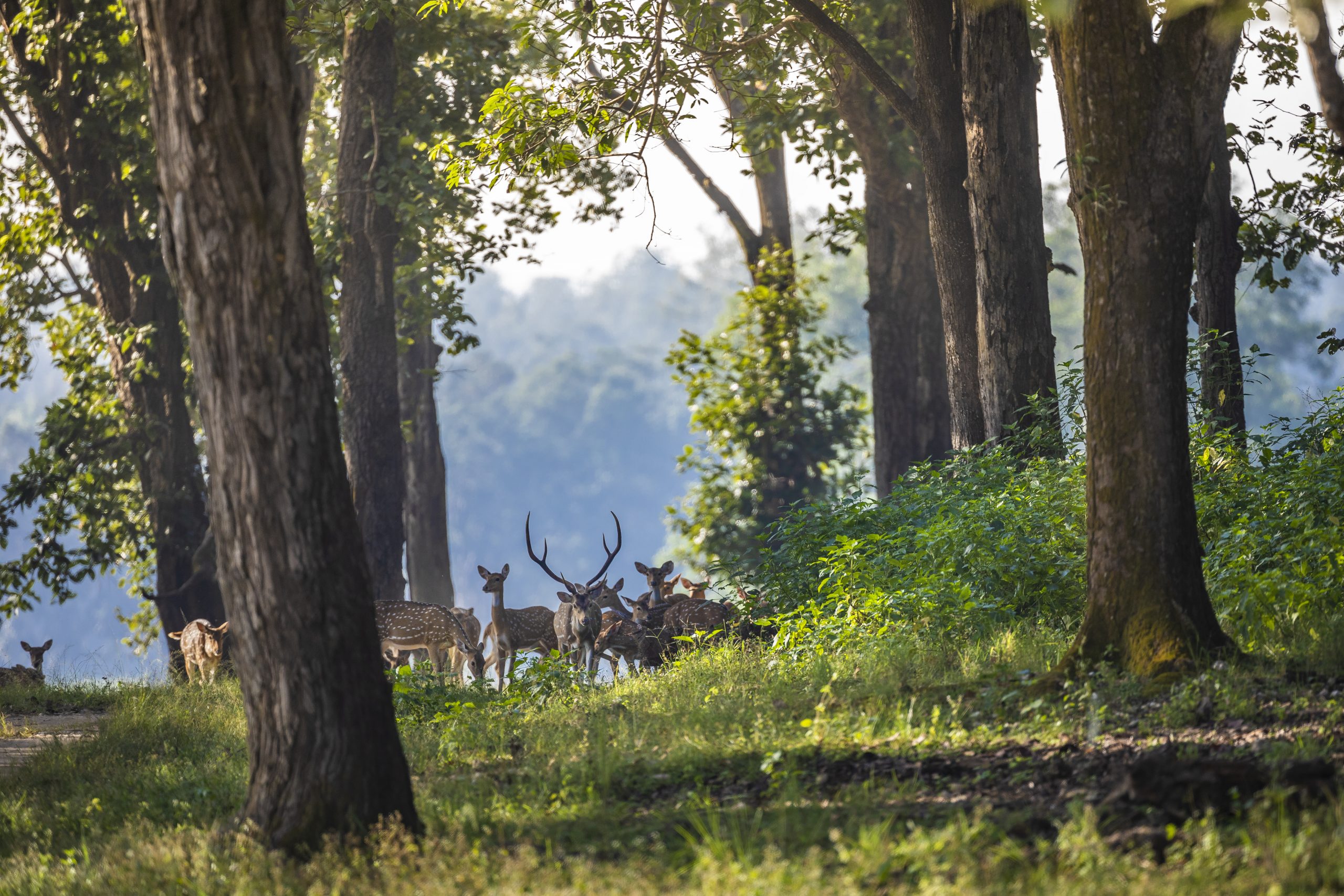
Kanha, also located in Madhya Pradesh, inspired Rudyard Kipling’s The Jungle Book. With its rolling meadows, dense sal forests, and abundant wildlife, it’s one of India’s most picturesque national parks.
Flora and Fauna Highlights
Kanha is known for barasingha (swamp deer), apart from tigers, leopards, wild dogs, and over 300 bird species.
Cultural Experiences Near Kanha
Tribal villages around Kanha allow travellers to explore Gond and Baiga cultures, adding a human dimension to the safari adventure.
5. Kaziranga National Park – Home of the One-Horned Rhino
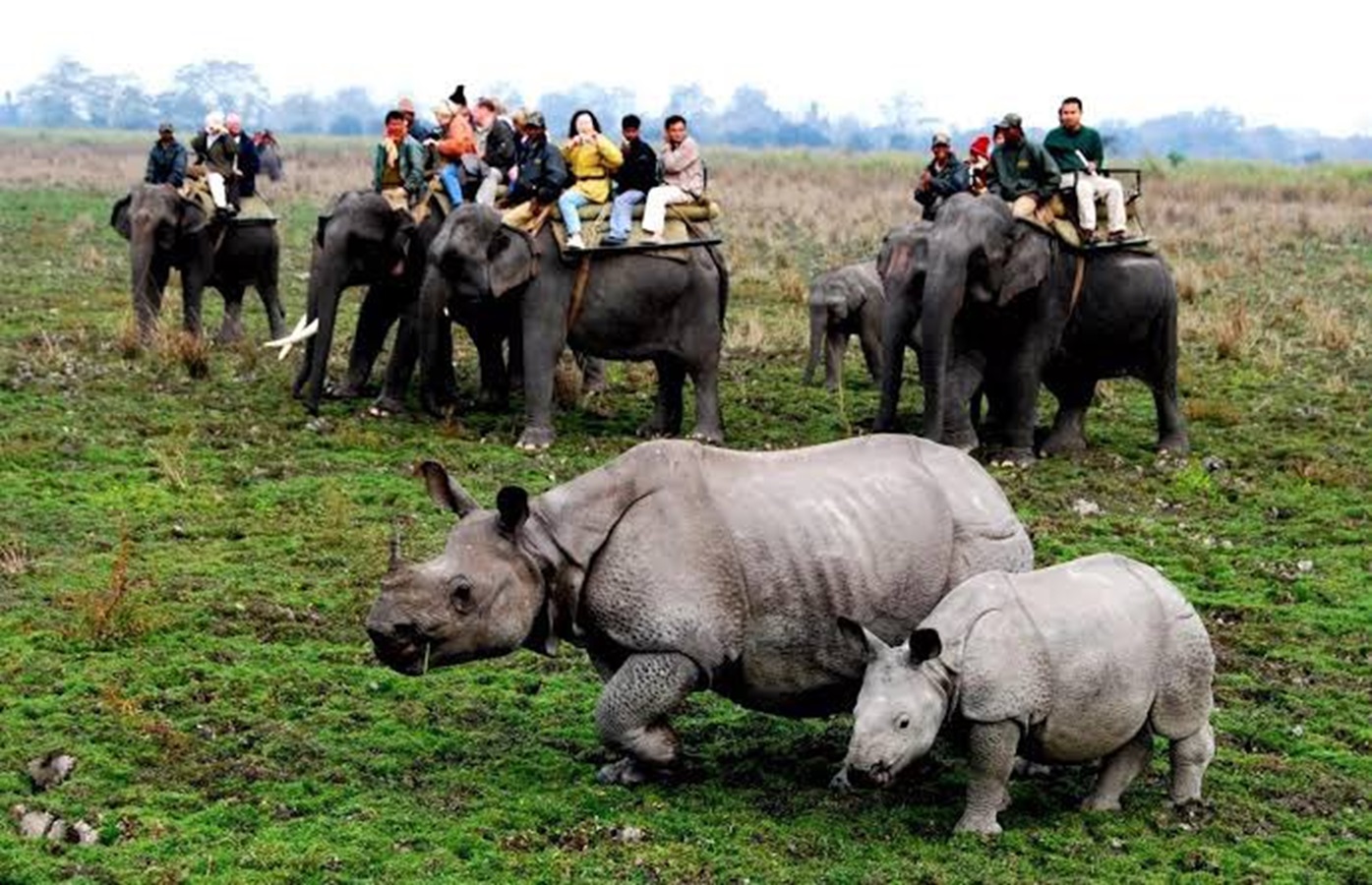
A UNESCO World Heritage Site, Kaziranga in Assam is world-famous for the Indian one-horned rhinoceros. Covering the floodplains of the Brahmaputra River, the park is a biodiversity hotspot and offers one of the most scenic safaris in India.
Birdwatching Paradise
With more than 450 bird species, including migratory ones from Siberia, Kaziranga is a dream destination for birdwatchers.
6. Gir National Park – The Last Abode of Asiatic Lions
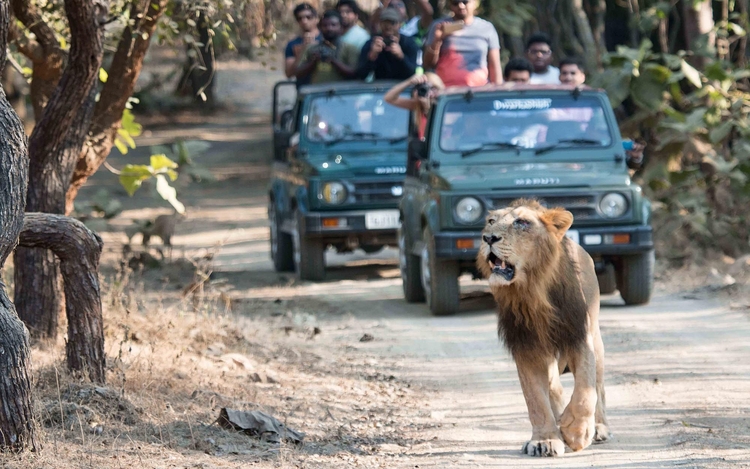
Located in Gujarat, Gir is the only place on Earth where you can see the Asiatic lion in the wild. Safaris here are focused on lion sightings, though you’ll also spot leopards, striped hyenas, and over 300 species of birds.
Best Experiences in Gir
Don’t miss the interpretation zones and local Maldhari tribal villages that give you a cultural insight into the region.
7. Periyar Wildlife Sanctuary – Kerala’s Lake Safari Experience

In the heart of Kerala’s Western Ghats, Periyar offers a unique safari experience – exploring wildlife from a boat ride on Periyar Lake. It’s famous for elephants, wild boars, and sambar deer often spotted drinking by the lake.
Bamboo Rafting & Eco-Tourism Activities
Eco-tourism initiatives here include bamboo rafting, guided nature walks, and camping experiences for adventure seekers.
8. Satpura National Park – Offbeat Safari Experience
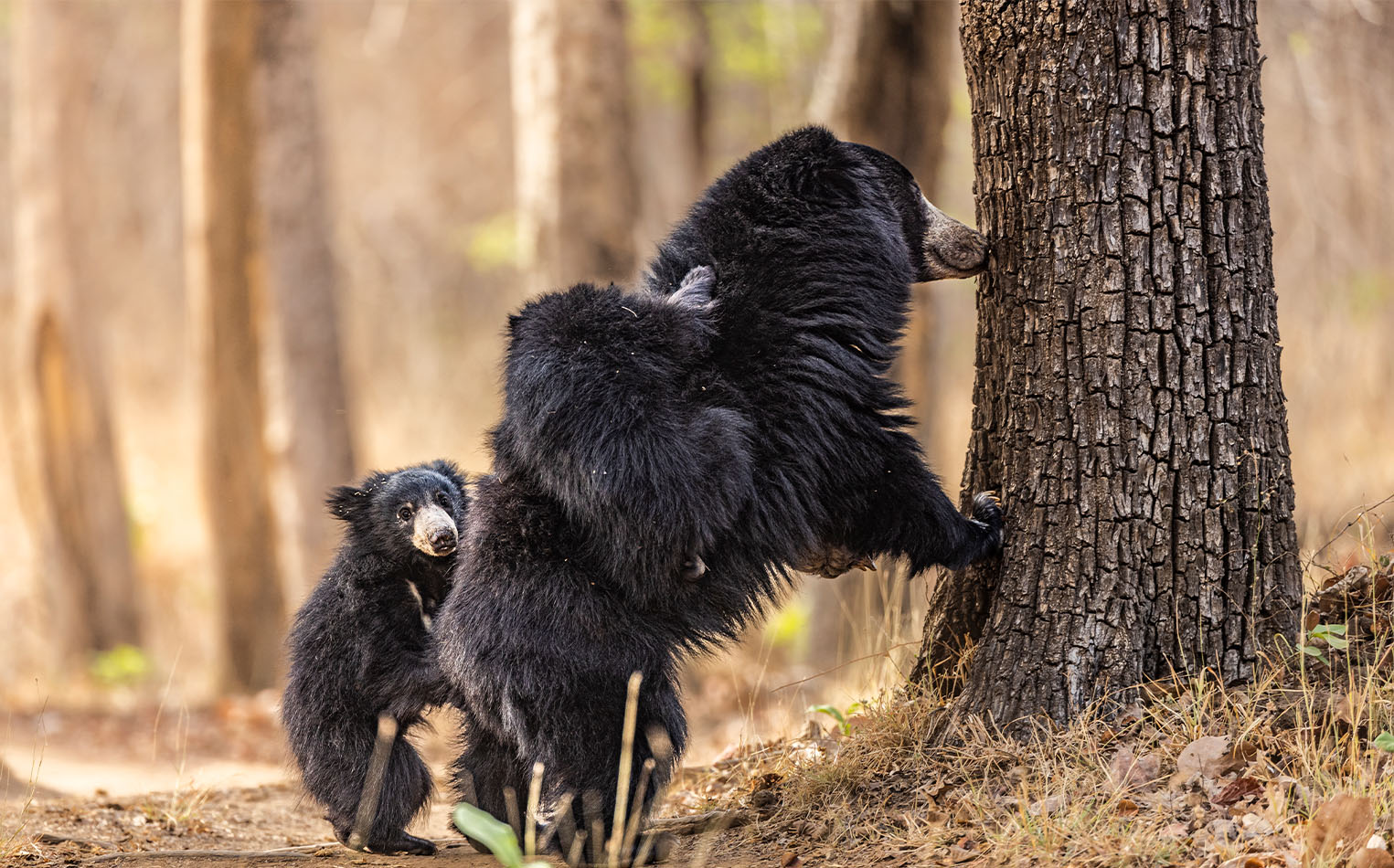
If you’re looking for an offbeat jungle safari in India, Satpura in Madhya Pradesh is your answer. Unlike the crowded reserves, Satpura allows walking safaris, canoe safaris, and camping – making it one of the most immersive wildlife experiences.
Unique Walking and Canoe Safaris
These safaris let you get closer to wildlife, spot smaller creatures, and connect with nature in a more personal way.
9. Tadoba National Park – Maharashtra’s Hidden Tiger Reserve

Tadoba is often called the “Jewel of Vidarbha” and is one of the best-kept secrets among tiger reserves. With its dense forests, lakes, and rich biodiversity, it’s slowly gaining popularity among wildlife enthusiasts.
Accommodation Options in Tadoba
From luxury resorts to budget-friendly lodges, Tadoba offers plenty of stay options close to safari gates.
10. Pench National Park – Perfect Blend of Wildlife and History

Located on the Madhya Pradesh–Maharashtra border, Pench is another Jungle Book inspiration. Known for its thriving tiger population, it’s also famous for leopards, wild dogs, and rich birdlife.
Connection with Kipling’s Jungle Book
Many places in the park are named after characters and locations from Kipling’s tales, making safaris here feel like stepping into a storybook.
Best Time to Go for a Jungle Safari in India
Winter (October–February): Best for pleasant weather and birdwatching.
Summer (March–June): Ideal for spotting tigers near water bodies.
Monsoon (July–September): Most parks remain closed, except Periyar and some southern sanctuaries.
How to Plan Your Jungle Safari Trip
Booking Safaris in Advance
National parks have limited safari permits, so it’s wise to book online at least 60–90 days before your trip.
Choosing Jeep vs. Canter vs. Walking Safaris
Jeep Safari: Best for flexibility and photography.
Canter Safari: Economical, good for larger groups.
Walking Safari: Available only in select parks like Satpura, offering a unique perspective.
Travel Tips for a Safe and Memorable Jungle Safari
What to Pack for Your Safari
Neutral-coloured clothing
Binoculars and cameras
Sunscreen, hat, and insect repellent
Reusable water bottle
Responsible Tourism Practices
Maintain silence and avoid littering
Don’t feed or disturb animals
Respect park rules and guides
FAQs – Best Jungle Safari in India
Q1. Which is the best jungle safari in India for tigers? Ranthambore, Bandhavgarh, and Kanha are among the best for tiger sightings.
Q2. Which park is best for first-time safari-goers? Jim Corbett is beginner-friendly due to its variety of zones and good facilities.
Q3. Can I stay inside a national park? Yes, parks like Jim Corbett and Kanha offer forest lodges inside the park premises.
Q4. What is the cost of a jungle safari in India? It varies from ₹1,500 to ₹5,000 per safari depending on the park, vehicle type, and season.
Q5. Which jungle safari is best for families? Kaziranga and Periyar are great options since they offer safe and family-friendly safari experiences.
Q6. Are jungle safaris in India safe? Yes, safaris are conducted under strict guidelines with trained guides and drivers.
Conclusion: Embark on Your Indian Wildlife Journey
India’s national parks and wildlife sanctuaries promise an unmatched blend of adventure, culture, and natural beauty. From the tiger trails of Ranthambore to the rhino grasslands of Kaziranga, every safari offers something new and unforgettable. Planning wisely, respecting nature, and choosing the right season will ensure your safari becomes one of the most memorable journeys of your life.

Comments